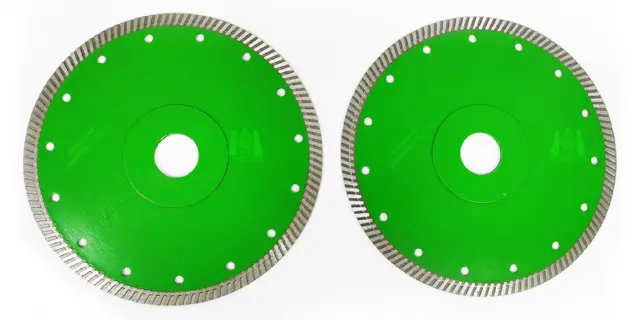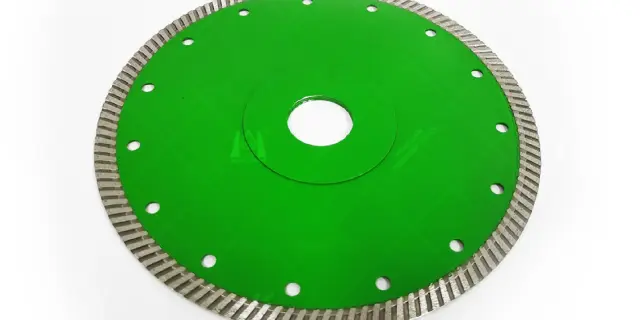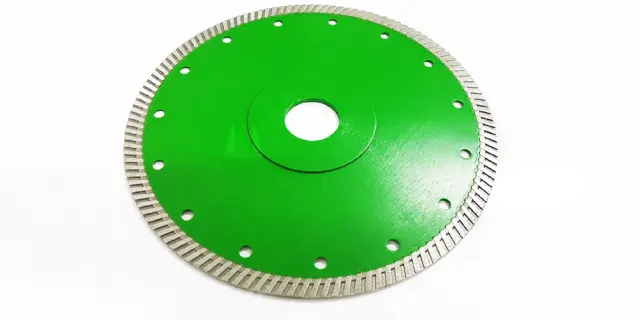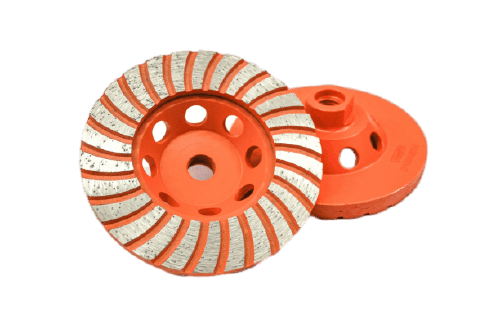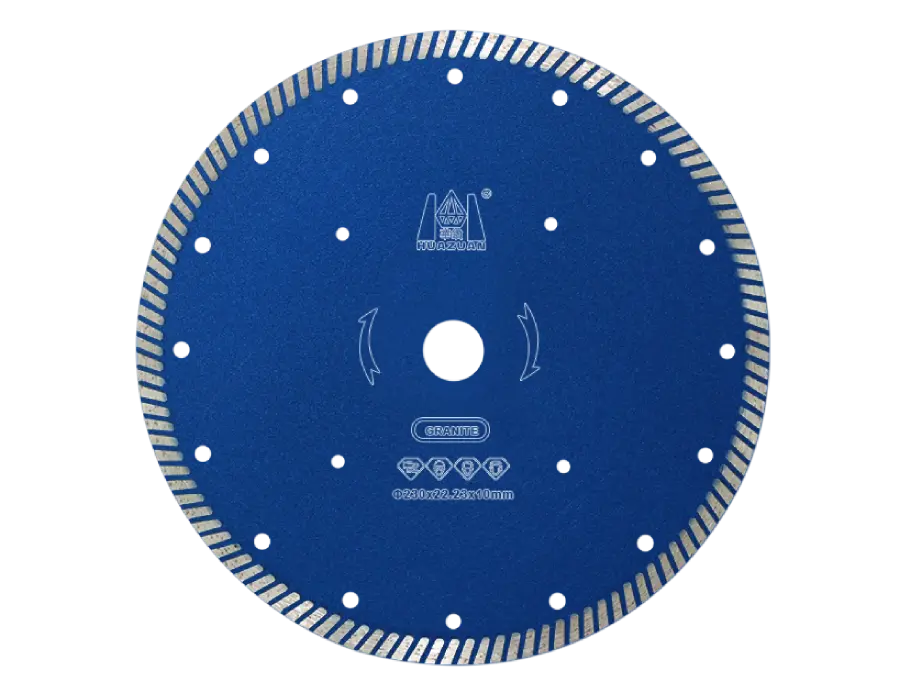
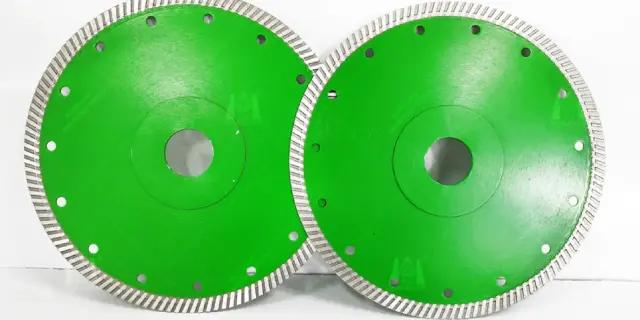

Sintered Continuous Turbo Diamond Cutting Disc

105-230mm/4.13"-9"
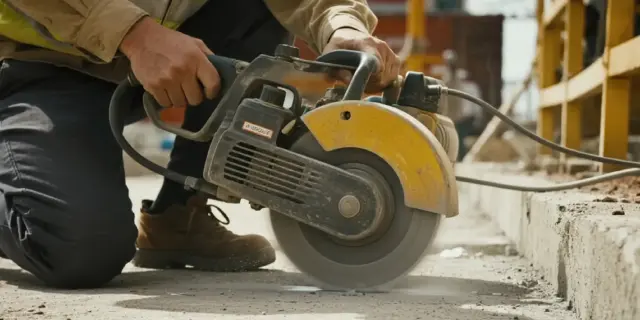
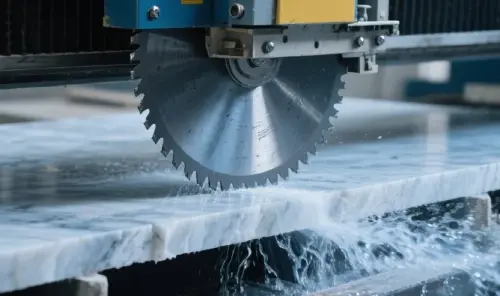
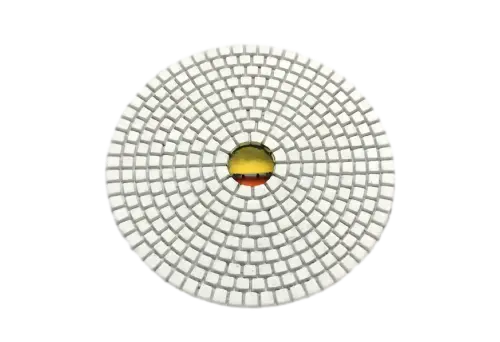
The DINOSAW turbo continuous rim diamond cutting disc is built for universal dry or wet cutting with angle grinders and circular saws. Typical sizes: 105–230 mm. Its continuous turbo rim accelerates feed while stabilizing the kerf, enabling clean, accurate cuts across hard and brittle materials including granite, marble, concrete, porcelain tile and hard brick. The engineered turbo teeth and sintered bond deliver fast cutting with reduced chipping, longer life and consistent finish quality. A thin-kerf option supports precise lines.
105–230 mmAngle grinder and circular saw sizes for universal cutting
Continuous Turbo RimRim speed with kerf stability — fast and clean in one disc
Dry + WetUniversal cutting across marble, concrete and porcelain tile

Applicable Materials

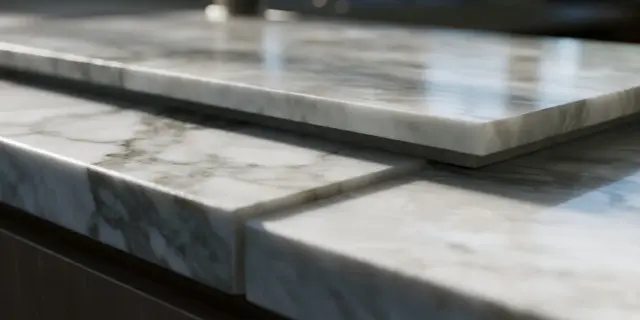
Marble, concrete, porcelain tile, ceramic and granite

Certifications & Credentials

CE Certified · ISO 9001:2015 · Industry Standard Drafting Participant · 120+ Countries & Regions Served

Compatible Materials & Products

Fast, clean cuts on granite, marble, concrete and porcelain. For angle grinders / circular saws.

Real Cutting Performance & Key Metrics

The DINOSAW continuous turbo diamond disc combines rim stability with turbo feed speed — clean, accurate cuts on marble, concrete and porcelain tile in dry or wet conditions, 105 to 230 mm for angle grinders and circular saws.

Continuous Turbo

Speed + Stability

The turbo rim profile accelerates feed while the continuous structure stabilizes the kerf — fast cutting without the wandering of open segments.

105–230 mm

Handheld Range

Eight diameters from 105 to 230 mm cover angle grinders and circular saws — the everyday cutting fleet in one disc family.

Low-Chip

Porcelain Cutting

The continuous rim edge shears porcelain and tile cleanly: low-chip cuts that move straight to installation without edge dressing.

Dry + Wet

Any Condition

Cuts dry where water is impractical and wet where dust control or finish demands — one disc for site and workshop conditions.

Applicable materials: Marble, concrete, porcelain tile, ceramic and granite.

Typical tools: Angle grinders and circular saws for edge trimming, expansion joints, tile cutting and general site work.

Actual disc life varies with material abrasiveness, feed pressure and dry versus wet conditions.

Specs and options

Eight diameters from 105 mm to 230 mm (4.13"–9") with 1.8–2.8 mm kerfs and arbor options of 20/22.23/25.4 mm by size: fine kerfs for precision trimming, wider kerfs for stability in deeper cuts — all in continuous turbo geometry.

DiameterSegment WidthSegment HeightArbor
Inchesmmmmmmmm
4.13"1051.8 / 2.48/1020
4.3"1101.8 / 2.08/1020
4.5"1152.41020
5"1252.68/1020
5.12"1302.61022.23
6"1502.68/1025.4
7"1802.81025.4
8"2002.81025.4
9"23031025.4

Core Technology & Disc Structure

Four engineering decisions behind the continuous turbo design. The numbered points on the disc diagram correspond to the systems below.

Dinosaw machine Sintered Continuous Turbo Diamond Cutting Disc

Continuous Turbo Disc Selection Workflow

Match the disc in four steps: confirm tool arbor and maximum disc size, select diameter by cut depth, pick kerf class by precision need, then set feed by material — porcelain and marble reward a light, continuous feed; concrete takes a firmer hand.

01

Turbo Rim Profile

Turbo serrations in the rim act like segment gullets in miniature: swarf clears from the cut face and fresh diamond reaches the material continuously — the feed speed of a segmented disc with far less edge wander.

02

Continuous Rim Edge

The continuous outer edge is what porcelain and marble demand: a shearing cut without segment impacts, leaving edges clean enough for direct installation or one-pass polishing.

03

Progressive Kerf Design

Kerf scales from 1.8 mm at 105 mm diameter to 2.8 mm at 230 mm: precision on small trimming discs, lateral stability on deep-cutting sizes — each diameter tuned to its typical cut depth.

04

Multi-Arbor Options

Arbor options of 20, 22.23 and 25.4 mm across the range match grinders and saws without adapter bushes: proper seating eliminates the vibration that shortens disc life.

05

Wet-or-Dry Bond

The bond works in both regimes: dry cutting where water is unavailable, wet cutting where dust rules or finish quality matters — no separate dry and wet inventories.

06

One-Disc Material Range

Marble, concrete, porcelain, ceramic and granite share one disc: tile setters, masons and stone shops standardize on a single SKU range with per-material expectations.

Continuous Turbo vs. Segmented vs. Continuous Rim

A three-way selection comparison for handheld cutting discs.

Continuous Turbo vs. Segmented vs. Continuous Rim
Segmented / Continuous RimVSContinuous Turbo
Fast / slowCut speed✓ Fast with rim stability
Rough / chip-freeEdge finish✓ Clean on porcelain & marble
Concrete only / tile onlyMaterial spread✓ Marble, concrete, porcelain, granite
Good / heatsDry cutting✓ Good with turbo cooling
Demolition / finish tileBest for✓ One-disc mixed daily work

Note: configurations vary by brand and model; actual performance depends on the specific machine, material and working conditions.

The Manufacturer Behind the Disc Range

DINOSAW is a manufacturer of CNC stone processing machinery, specializing in diamond wire saw machines and CNC stone cutting equipment. With more than 20 years of R&D and manufacturing experience, DINOSAW contributes to industry standards including T/CMES 41001-2025 for CNC wire saw machines, holds 100+ technical patents, and supplies equipment and technical support to customers in 120+ countries and regions. Its manufacturing and management systems are certified to ISO 9001, ISO 14001 and ISO 45001, with CE-compliant machinery for international markets.

DINOSAW CNC stone machinery manufacturing workshop
DINOSAW R&D & ManufacturingMechanical Design · CNC Control Development · Assembly · Testing · Commissioning · Global Delivery
Industry Standard Drafting

DINOSAW contributes to industry standards for stone machinery, including T/CMES 41001-2025 for CNC wire saw machines, as well as standards covering multi-wire saws, combined wire saw machines and five-axis bridge cutting equipment. This work reflects the company’s long-term involvement in machine design, manufacturing, testing and quality control.

20+Years of Stone Machinery R&D & Manufacturing Experience
100+Technical Patents — Covering machine structures, CNC control, cutting systems and stone processing technologies
120+Countries & Regions Served — Equipment, installation and technical support worldwide

CE Compliance & ISO Management Systems

CE: Stone cutting machinery assessed against Machinery Directive 2006/42/EC and relevant EN standards.
ISO: Management systems certified to ISO 9001, ISO 14001 and ISO 45001.

Ordering Requirements & After-Sales Support

DINOSAW provides disc selection support and consistent batch supply for trade fleets.

Tool Fit20/22.23/25.4 mm arbors

Match arbor exactly; avoid adapter bushes where possible.

RPM MatchDisc RPM ≥ tool RPM

Check the disc's rated speed against the tool's no-load RPM.

Dust ControlPer site regulation

Use extraction or water where silica dust rules apply.

01 · Pre-Shipment & DeliveryMachine configuration, packaging and transport requirements confirmed before dispatch, with factory inspection and documents verified.
02 · Installation & CommissioningOn-site utilities and foundation check, machine positioning, commissioning and acceptance.
03 · Operator TrainingHands-on training covering routine CNC operation and daily checks of blades, spindles, cooling and lubrication.
04 · After-Sales SupportRemote technical assistance, maintenance support and spare parts coordination throughout the machine's service life.

Continuous Turbo Disc Selection & Use FAQ

Common Questions About Sintered Continuous Turbo Diamond Cutting Disc

Choose by the edge quality versus speed trade-off at each extreme. A segmented disc cuts fastest but leaves a slightly rough, chip-prone edge — right for demolition and concrete, wrong for porcelain. A plain continuous rim gives the cleanest edge but feeds slowly in hard material. The continuous turbo sits between: turbo serrations lift feed speed toward segmented levels while the continuous edge keeps porcelain and marble chips low. The practical rule: porcelain, tile and marble visible edges → continuous turbo or continuous rim; concrete, brick and speed-first work → segmented; mixed daily work across both → the continuous turbo is the one-disc answer. If your day is mostly one material, buy for that material; if it varies, the turbo profile covers the spread.

Glazing is the bond polishing smooth over the diamond instead of wearing away to expose fresh cutting points — and on dense porcelain it comes from two usual causes: too much speed with too little pressure (the disc spins without biting, friction heat fuses the bond surface), or a disc whose bond is too hard for the material. Prevention: maintain a firm, steady feed so the diamond keeps working — letting the disc coast in the cut glazes it fastest; use water on porcelain where possible, both for cooling and dust; and if glazing follows you across discs, the bond is mismatched to your material class, which is a selection fix, not an operator fix. A glazed rim can sometimes be opened by a few passes in soft concrete or abrasive stone, but a disc that glazes repeatedly on your porcelain needs a softer-bond specification.

Contact Dinosaw

Discuss Continuous Turbo Disc Specifications

Are you looking for the perfect cutting machines or processing solutions for hard and brittle materials?

Facing challenges in stone quarrying, countertop cutting, concrete and underwater pipeline cutting, stainless steel rust removal and grinding, luxury thin slab cutting, agate and gemstone cutting, graphite cutting, or even building demolition?

Leave your inquiry, and you can expect a reply within 12 hours with tailored solutions!

Prefer email?

You can also reach us at

gma@dinosawmachine.com
Sintered Continuous Turbo Diamond Cutting Disc

What materials will you be working with? *

Your Name / Company Name? *

Phone Number / Email Address? *

+86

What specific requirements do you have?

Turbo Disc Guides & Related Equipment

Selection guides and related equipment for tile, stone and concrete cutting.

Get A Easy Solution

Chat Online
Ms.Lizzy

Hi, this is Lizzy from Dinosaw ( Not a Robot ).  Which Machine ( model ) do you want? Please WhatsApp us now

WhatsApp Chat Now
Contact Us

Hello 👋 How can we help?