Free online stone identification tool

Dinosaw AI Stone Identification Tool
Free online stone identification for marble, granite & quartz

Upload a photo to use our free AI stone identifier, find the likely stone name and type, discover visually similar materials, and explore potential alternatives.

200,000+ real stone images
AI-powered visual analysis
3 seconds to results
Completely free unlimited uses
Place your stone photo inside this frame
Supports JPG / PNGMax 10 MB
AI
AI is analyzing your stoneReading texture patterns...

How to Identify a Stone from a Photo

To identify a stone from a photo, capture a clear image of the stone surface in even light, keep the camera parallel to the material, and make sure visible features such as veining, grain, crystals, and surface patterns are sharp. Upload the image to the Dinosaw AI stone identifier to compare these visual characteristics with known stone varieties.

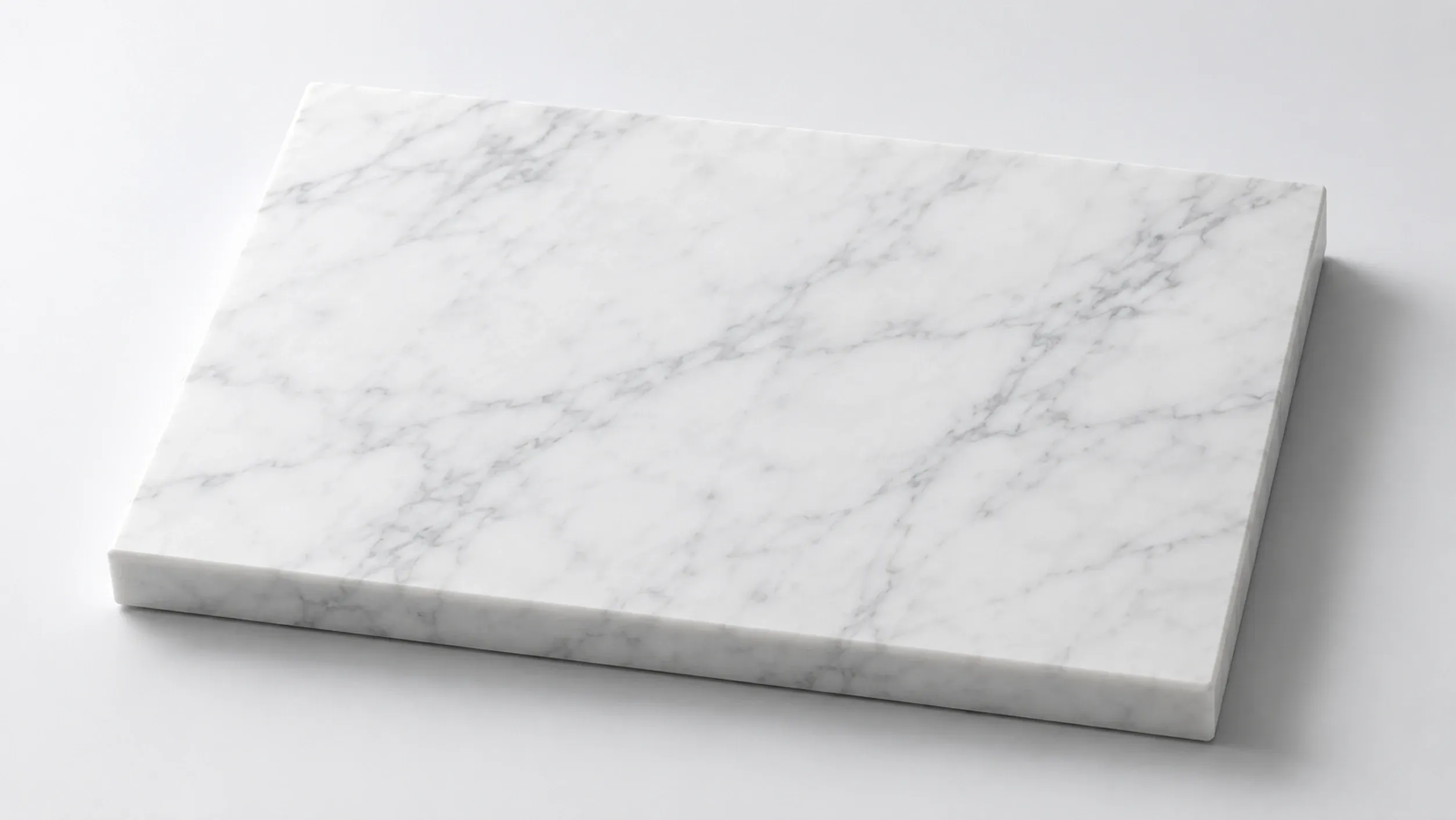
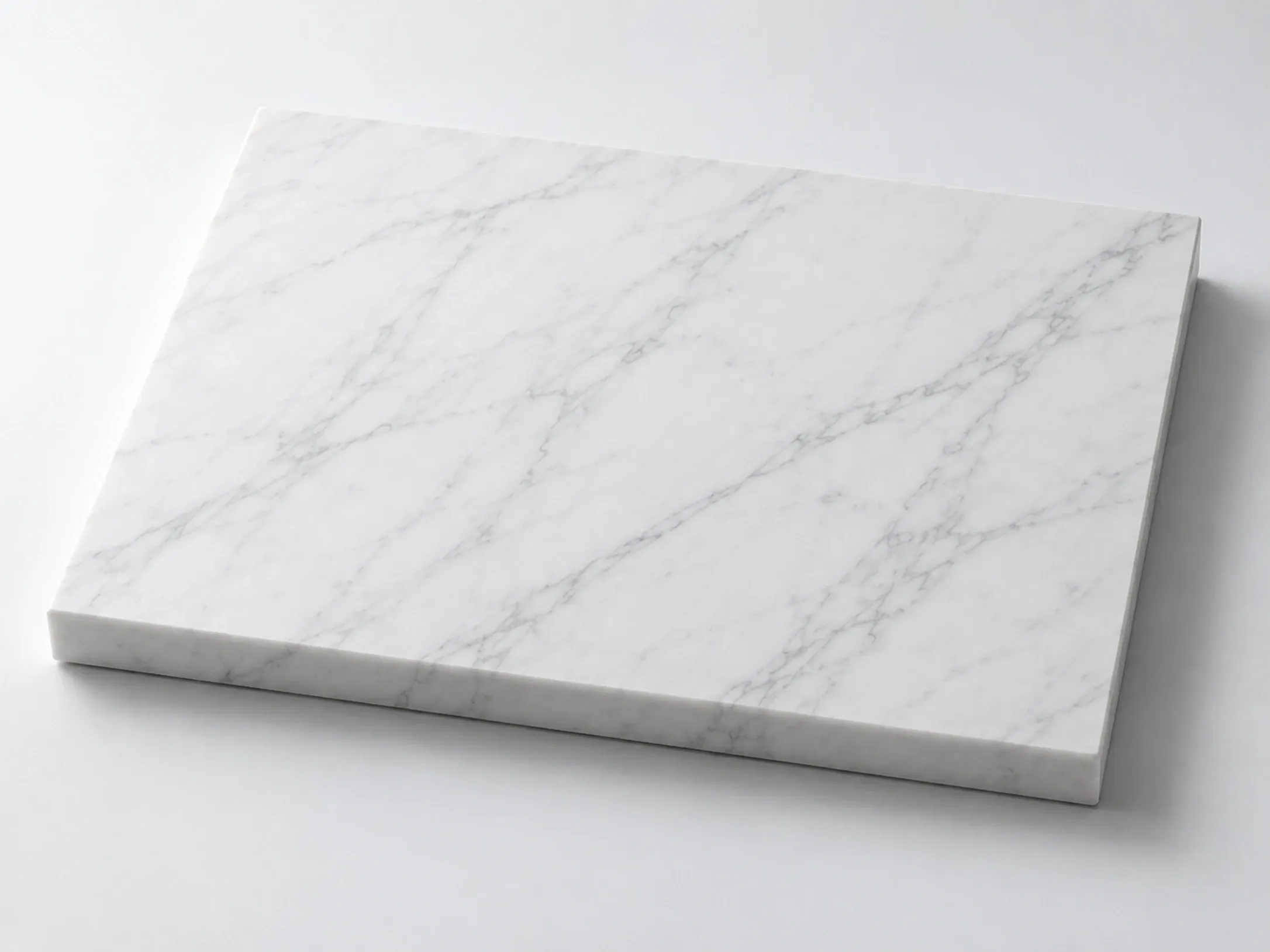
Carrara marble sample analyzed by the Dinosaw AI stone identifier

Turn a single stone photo into a likely stone name and type

Dinosaw's AI stone identifier matches visible surface characteristics against a growing library of real stone images to suggest commercial names, geological types, and visually similar materials.

  1. Take a clear stone photo.Photograph the stone surface rather than labels, packaging, or surrounding objects.
  2. Show the full texture.Make sure veining, grain, crystals, color distribution, and surface pattern are visible.
  3. Avoid glare and hard shadows.Use natural light or even white light whenever possible.
  4. Upload the image.Use JPG or PNG and keep the image within the supported file size.
  5. Compare the results.Review the likely stone name, type, confidence score, similar materials, and available alternatives.

What Can the AI Stone Identifier Tell You?

From identification to recommendation to records, covering the complete workflow for stone selection and verification.

Identify the Stone Name and Type

The AI analyzes visible characteristics to suggest the likely commercial stone name, geological type, and material category. This helps turn an unknown stone photo into information that can be used for comparison, sourcing, and communication.

  • Commercial stone name
  • Geological type
  • Material category

Find Visually Similar Stones

When the exact material is unavailable, over budget, or difficult to source, the tool can suggest visually similar stones and potential substitute materials based on color, texture, veining, and overall appearance.

  • Similar stone suggestions
  • Substitute materials
  • Stone alternatives

Check Origin and Material Information

Identification results can include common origins, alternative names, geological references, application scenarios, and other available material information.

  • Common stone origins
  • Alternative stone names
  • Application scenarios

Review Confidence and Identification Details

Each result can include a confidence score together with the likely stone name, material type, visual characteristics, and alternative matches to help users compare identification results.

  • Confidence score
  • Visual characteristics
  • Alternative matches

Stone Types You Can Identify

Use the AI stone identifier to recognize common natural and engineered stone materials from a photo, including marble, granite, quartz, slate, travertine, sandstone, and other visually distinctive varieties.

Carrara marble sample for AI marble identification

Marble Identification

Upload a photo to identify marble by its color, veining, grain, and surface pattern. The AI stone identifier can help narrow down visually similar marble varieties such as Carrara, Calacatta, and other commercial white marbles, while providing likely stone names and alternative materials.

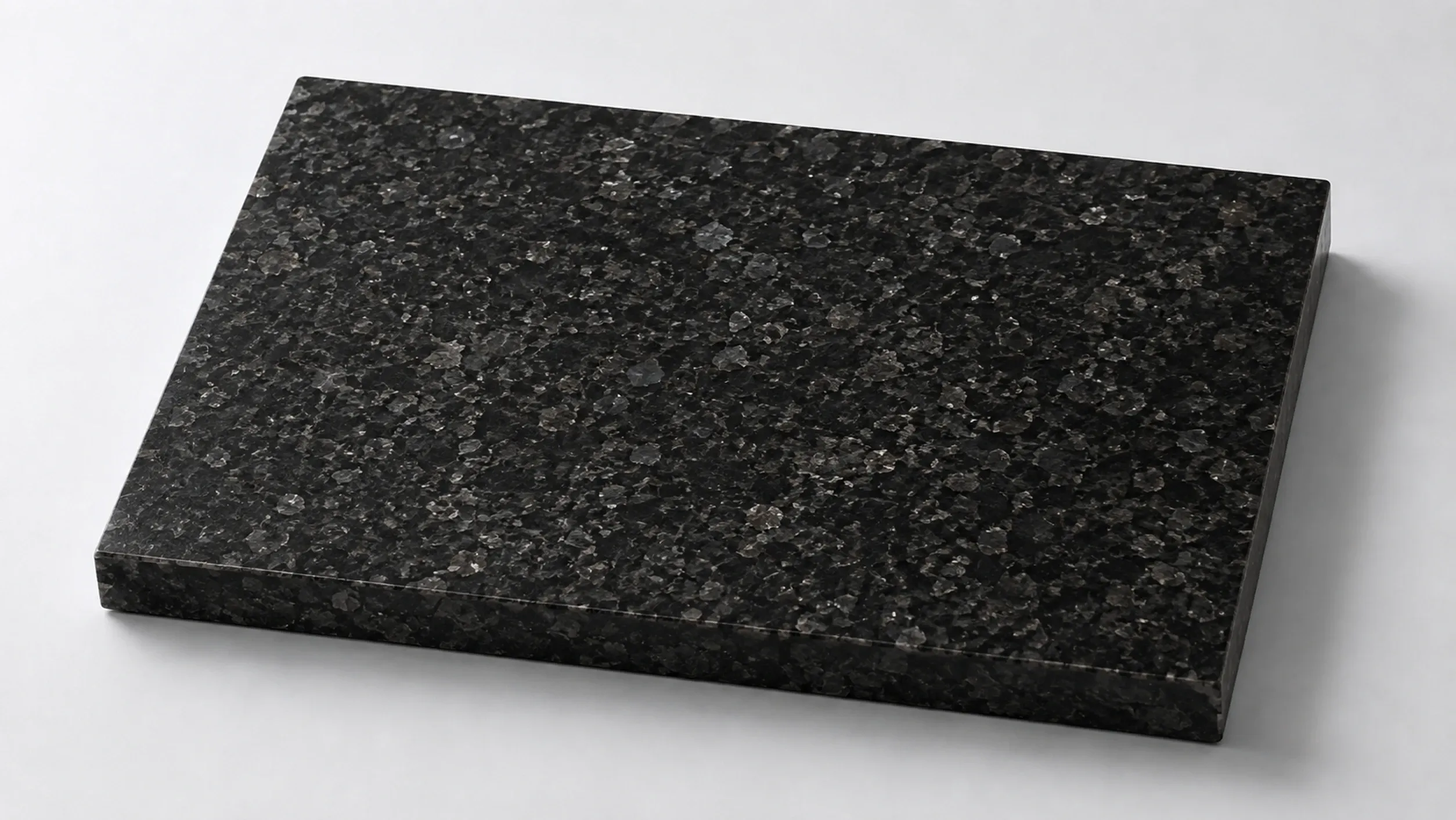
Dark granite sample with visible mineral grains for granite identification

Granite Identification

Identify granite from a photo by analyzing mineral grains, crystal structure, color distribution, and surface pattern. The tool can help narrow down common granite varieties and compare visually similar granite materials.

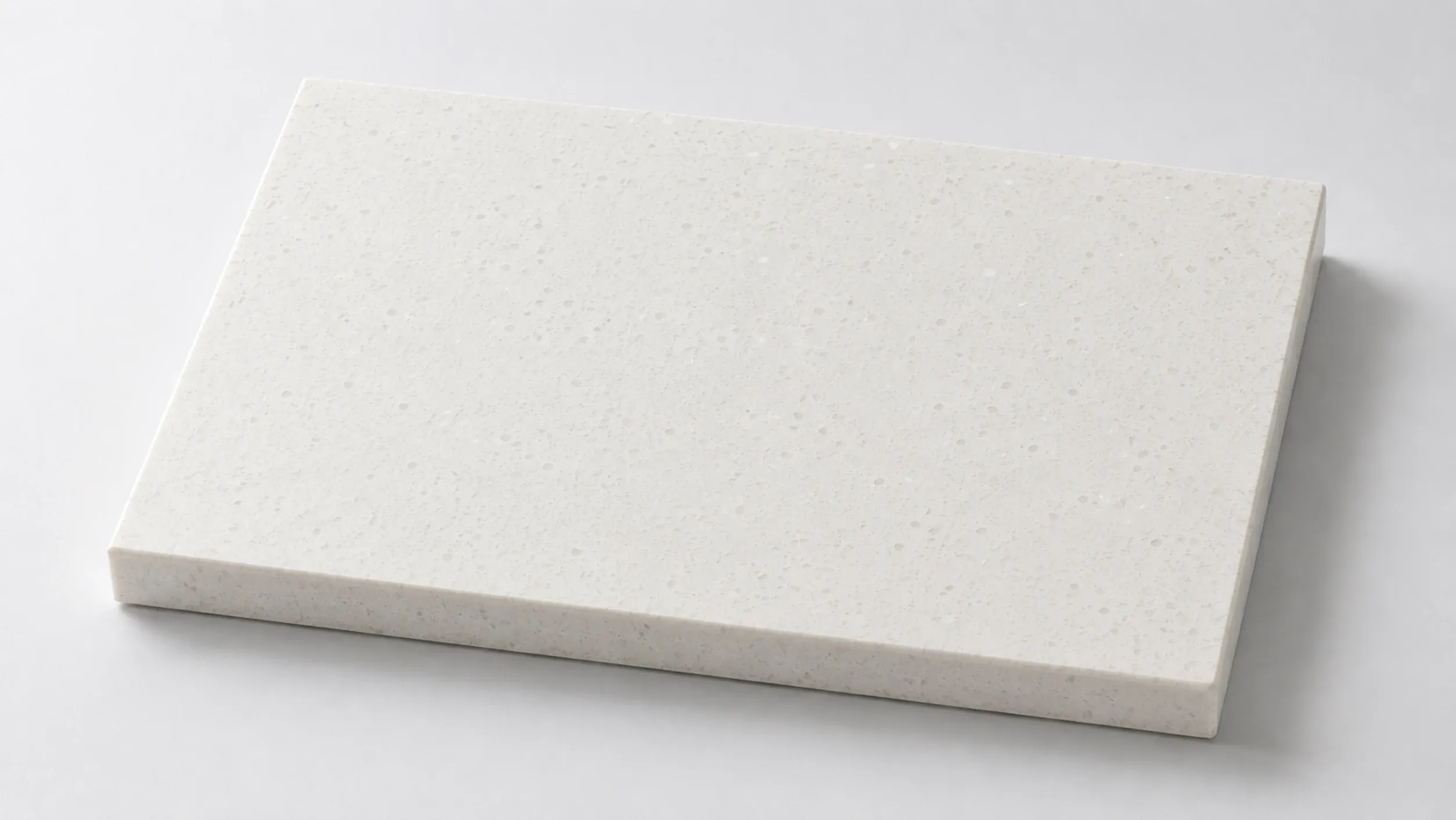
Engineered quartz sample for quartz stone identification

Quartz Identification

Identify engineered quartz from a photo using particle distribution, color consistency, and surface pattern. The tool can also help distinguish engineered quartz from visually similar natural stone materials.

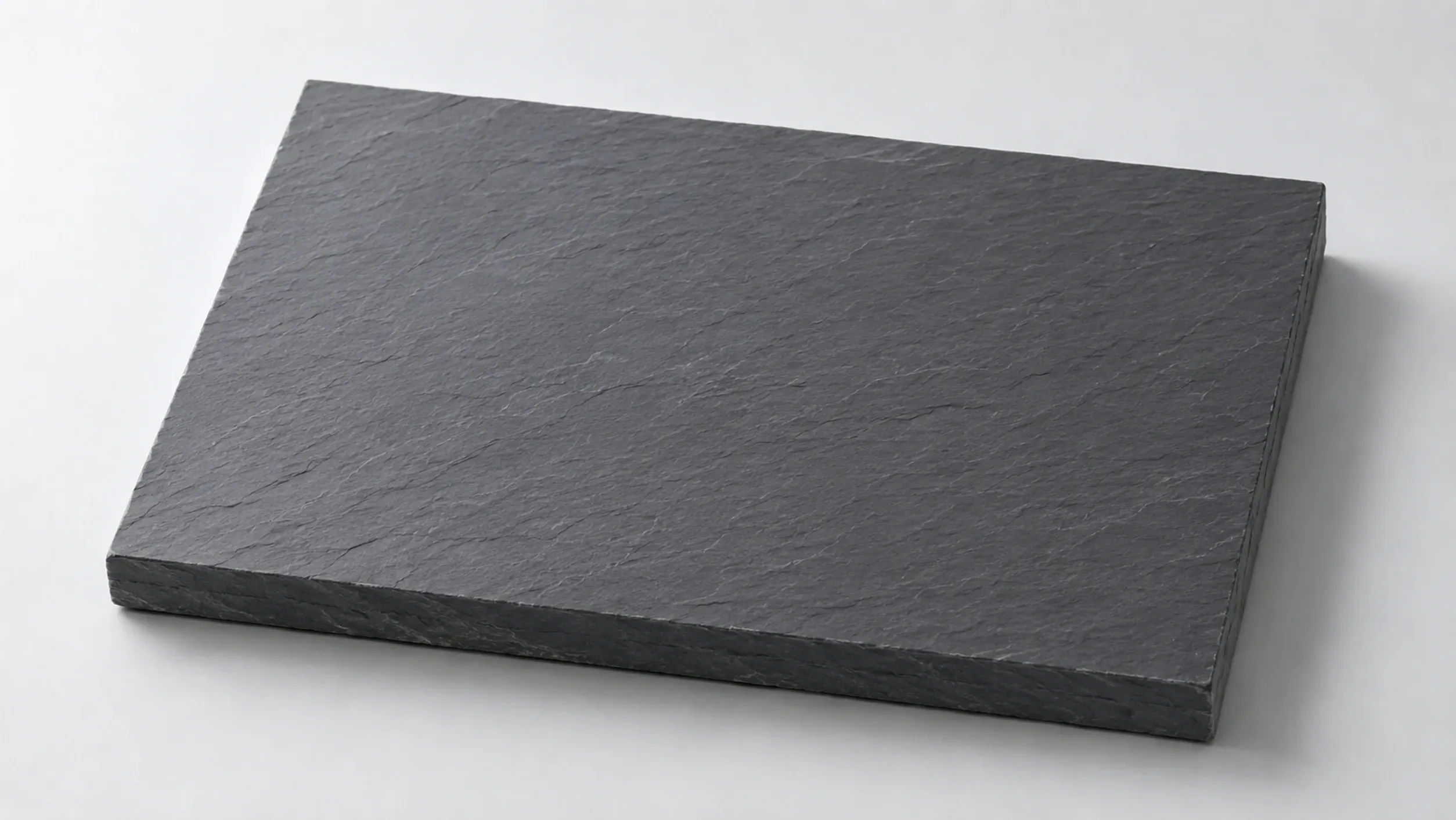
Natural slate sample showing layered texture for slate identification

Slate Identification

Identify slate from visible color, cleavage texture, layering, and surface characteristics, then compare it with visually similar dark natural stones.

How Accurate Is AI Stone Identification?

AI stone identification compares visible characteristics such as color, veining, texture, grain, crystal structure, and surface patterns. Clear photos of visually distinctive materials can produce strong matches, while stones with very similar appearances may be difficult to distinguish from a photo alone.

Identification results should be used as a reference for material discovery, comparison, sourcing, and preliminary verification. Geological classification, critical purchasing decisions, project acceptance, and quality disputes may require physical samples, professional inspection, or laboratory testing.

01

Image sharpness

Blurry or low-resolution photos reduce the detail available for matching.

02

Lighting and glare

Harsh shadows or reflections can hide natural texture and color.

03

Visible stone texture

Veining, grain, crystals, and surface patterns must be clearly visible.

04

Surface finish

Polished, honed, flamed, or bush-hammered finishes change how light interacts with the stone.

05

Visual Similarity

Some marbles, granites, or quartz products look nearly identical in photos.

06

Natural vs Engineered

Engineered quartz and natural stone can share similar colors and patterns.

Common Reasons People Need to Identify Stone

Stone Sourcing

Identify an unknown material from a client photo before contacting suppliers.

Interior Design and Renovation

Match existing marble, granite, or quartz surfaces when renovating or extending a project.

On-Site Material Verification

Compare installed materials with approved samples during preliminary project checks.

Finding Alternative Stones

Search for visually similar alternatives when the specified stone is unavailable or too expensive.

Why Some Stones Are Difficult to Identify

01

The Same Stone Can Have Different Names

A stone may have a commercial name, geological name, quarry name, origin alias, or local market name, which can make sourcing and communication difficult.

02

Visually Similar Stones Can Be Hard to Tell Apart

Different marble, granite, quartz, and other stone varieties can share similar colors, veins, grain structures, and surface patterns.

03

Sometimes You Only Have a Photo

Designers, homeowners, buyers, and fabricators often receive project photos or online images without any reliable material name.

04

The Original Stone May Be Unavailable

Imported materials may be out of stock, discontinued, delayed, or outside the project budget, creating a need for visually similar substitute stones.

Built on Real Stone Industry Data

Dinosaw's stone identification system is supported by a growing image database containing more than 200,000 real stone images collected from industry scenarios such as quarries, fabrication plants, showrooms, construction sites, stone blocks, slabs, samples, and finished products.

200,000+

Real stone images

Covering marble, granite, quartz, slate, travertine, sandstone, and other categories, sourced from real scenarios including quarries, fabrication plants, showrooms, and construction sites.

Diverse Stone Categories

Marble, granite, quartz, slate, travertine, sandstone, and other natural and engineered materials.

Different Surface Finishes

Polished, honed, flamed, bush-hammered, and other surface conditions.

Multiple Stone Attributes

Commercial names, geological types, common origins, surface characteristics, and application information where available.

From Stone Identification to Stone Processing

Identifying the material is only the first step. The appropriate processing method depends on the stone type, hardness, thickness, surface finish, and final product requirements. Explore Dinosaw'sstone processing solutions, includingdiamond wire saw machinesfor block cutting and shaping,5-axis CNC waterjet cuttingfor intricate contours and inlays,5-axis CNC bridge sawsfor countertops and sinks,diamond saw blades for granite, anddiamond polishing padsfor surface and edge finishing.

Stone Identification FAQ

Upload a clear photo showing the stone surface, including visible color, veins, mineral grains, crystals, or other texture characteristics. The AI stone identifier compares these features with known stone varieties and returns likely matches.

Yes. AI can analyze visible surface characteristics and suggest likely stone names and types. Accuracy depends on image quality and how visually distinctive the material is.

Results can include the likely commercial stone name, geological type, confidence score, similar stones, common origins, and relevant application information where available.

Yes. The database includes marble, granite, quartz, slate, travertine, sandstone, and many common commercial stone varieties.

The tool can narrow down likely commercial varieties by analyzing veining, grain, mineral structure, color, and surface pattern, although visually similar materials may require additional verification.

The system analyzes pattern consistency, particle distribution, veining, grain, and other visual characteristics to help distinguish common natural stones from engineered materials, but difficult cases may require physical inspection.

Accuracy depends on photo quality, lighting, surface finish, and the visual similarity between materials. The result should be treated as a reference rather than a geological or laboratory certification.

Use even natural or white light, avoid glare and strong shadows, keep the camera parallel to the stone surface, and make sure the texture fills most of the image.

Yes. When possible, the tool can suggest visually similar stones that may be considered as substitute materials for design, sourcing, or preliminary comparison.

Yes. The online stone identification tool is available for free use.

Uploaded photos are used only to generate results and are not retained.

The tool is developed by Dinosaw, a stone processing equipment manufacturer with experience in stone cutting, scanning, grinding, polishing, and other hard-brittle material processing applications.

Why Dinosaw Built This Stone Identifier

Dinosaw has served hundreds of stone companies worldwide in the stone equipment field and deeply understands industry pain points in material identification, substitution sourcing, and on-site verification. This tool turns years of accumulated stone image data and industry expertise into accessible identification capability.

Try the free AI stone identifier

Upload a photo to get identification results, similar material recommendations, and application suggestions. All features are completely free, with no usage limits and no country restrictions.