





 中文
 Italian
 Türkçe
 Português
 Español
 Deutsch
 العربية
 Tiếng Việt
 Français
 Русский
 한국어



Ms.Lizzy
Hi, this is Lizzy from Dinosaw ( Not a Robot ). Which Machine ( model ) do you want? Please WhatsApp us now


Open Hours:8:30am-20:30pm

WhatsApp: +86 198-5901-3937

 Nov 6, 20265 MIN READ
 Nov 6, 20265 MIN READ
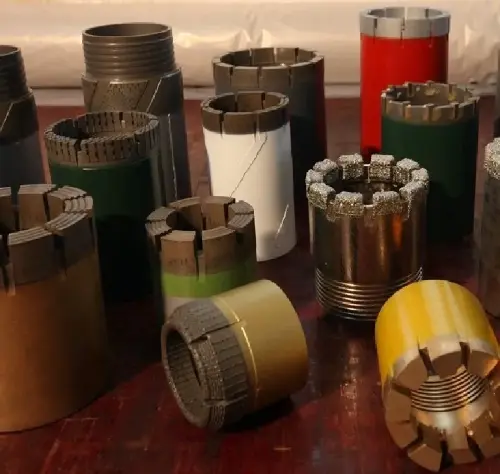
A complete SOP for diamond core bits. Learn pre-use checks, dressing techniques for granite, storage, and troubleshooting glazing or wandering to lower your cost-per-hole.
Diamond core bit maintenance is not simply about making a tool last longer. It is about recognizing why drilling performance is changing before the bit, stone or machine is damaged.
A core bit that suddenly drills more slowly, begins polishing instead of cutting, chips the hole edge, overheats or develops visible runout is giving useful diagnostic information.
In most cases, troubleshooting should start with five variables:
This guide explains how to inspect, clean, dress and troubleshoot diamond core bits used for granite, marble, quartz, quartzite and engineered stone.
Need help troubleshooting a persistent bit issue? Our technical team can help diagnose the problem.
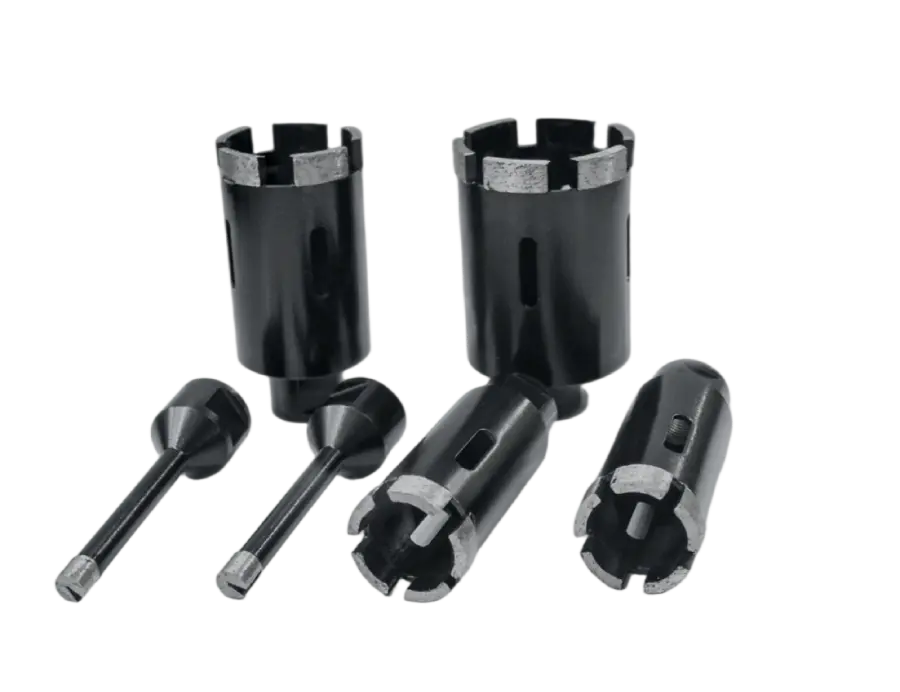
For available stone-fabrication core bits, see DINOSAW Diamond Core Drill Bits for Stone:
Before drilling, inspect the cutting edge, barrel, connection and machine fit. Damage or excessive runout should be identified before the bit contacts the stone.
Look for:
A worn cutting surface is not automatically unsafe, but a loose, cracked or partially detached segment should not be treated as a normal wear condition.
Inspect the barrel for:
A distorted barrel can create runout and uneven contact with the stone.
Do not assume a barrel can be safely straightened and returned to high-speed use simply because it looks close to its original shape.
Make sure the connection is:
Stone slurry, corrosion or damaged threads can prevent the bit from mounting concentrically.
DINOSAW stone core bits can be configured with common interfaces such as M14, 5/8"-11 and 1/2" Gas, as well as machine-specific connections.
Once mounted correctly, the bit should rotate concentrically.
Visible wobble can come from:
Do not keep adjusting drilling pressure to compensate for a visibly unstable tool.
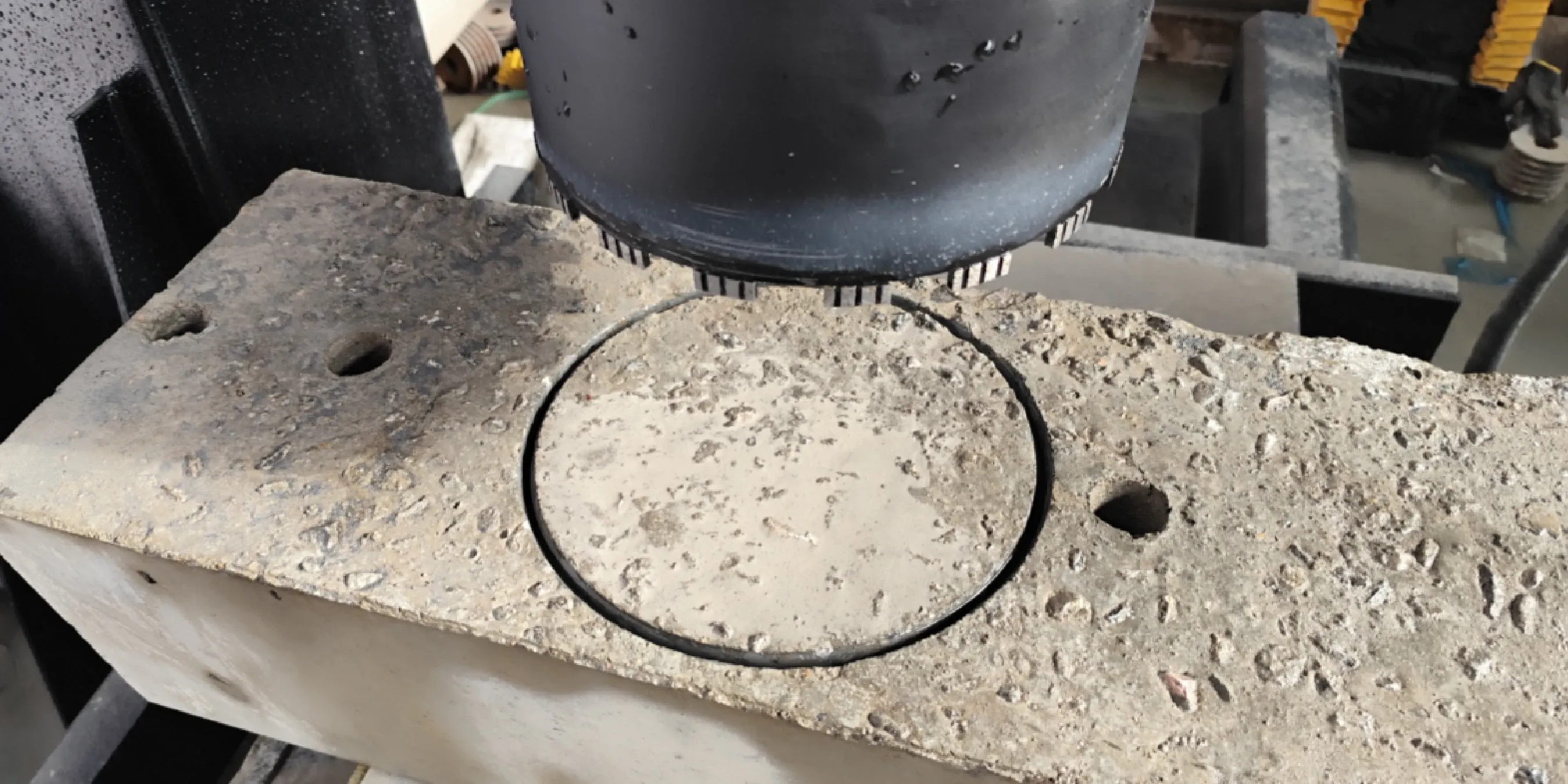
Clean the bit after use to remove stone slurry, dry dust and debris from the cutting edge, barrel, thread and water passages.
For a wet core bit:
For a dry core bit:
Avoid allowing dried slurry to build up around the thread or water path, where it may interfere with later mounting or coolant flow.
Glazing occurs when the cutting surface becomes polished and stops exposing effective diamond cutting points.
The typical symptom is simple:
The bit rotates, but penetration slows dramatically or stops while the contact surface becomes smooth and polished.
Glazing should be treated as a symptom rather than a complete diagnosis.
Possible contributing factors include:
Manufacturers of diamond tooling also recognize glazing or polished diamonds as a cause of declining cutting performance and commonly recommend an appropriate abrasive dressing medium when the specific tool permits it.
A glazed core bit can sometimes be restored by dressing the cutting surface with an approved abrasive dressing material to expose fresh diamond.
Suitable dressing methods depend on the bit.
Common options can include:
The objective is not to grind away as much bond as possible. It is to expose an effective cutting surface again.
A bit should generally be dressed because its cutting behavior indicates glazing, not simply after a fixed number of holes.
Useful indicators include:
If dressing restores cutting only briefly and the same problem repeatedly returns, investigate the bit specification and operating conditions instead of dressing more aggressively.
If the same core bit repeatedly glazes on the same material, review:
Repeated glazing may indicate that the product specification itself is poorly matched to the application.
If a diamond core bit spins but cuts slowly or stops advancing, do not immediately increase pressure.
Work through the causes systematically.
| Symptom | Possible Causes | What to Check |
|---|---|---|
| Bit spins but barely cuts | Glazing, unsuitable bond, worn cutting surface | Inspect rim/segments and application match |
| Cutting gradually slows | Wear, loading, operating-condition change | Compare current performance with earlier holes |
| Bit overheats | Cooling issue, incorrect operating method, RPM/feed problem | Water supply or dry-bit operating conditions |
| Bit cuts one stone but not another | Material/bond mismatch | Stone type and bit specification |
| Cutting is inconsistent | Runout, unstable machine, variable feed | Barrel, spindle, mounting and machine rigidity |
The most important distinction is between:
a worn or damaged bit
and
a usable bit operating under the wrong conditions.
Replacing a bit does not solve the second problem.
Excessive heat can come from the tool, operating method or drilling setup.
Check:
A wet-only bit should not simply be used dry because the jobsite has no water.
Some commercial core-bit families are explicitly wet-only, while others are specifically engineered for wet/dry operation. The individual product specification controls.
For more detail, see DINOSAW’s Wet vs Dry Diamond Core Drilling Guide
Bit wandering usually occurs before a stable cutting path has been established.
Possible causes include:
For handheld work, a template or drilling guide is one of the most repeatable ways to stabilize the starting position.
Some handheld core-bit techniques also use an angled start before bringing the tool square to the surface, but this should only be used when appropriate for the tool, application and operator procedure.
For machine-mounted drilling, check fixture stability, spindle alignment and tool runout instead of using handheld starting techniques.
Edge chipping can occur at either the entry or exit side of a granite hole.
Possible causes include:
Exit chipping often becomes worse as the remaining stone becomes thin and loses support.
Reduce feed as the bit approaches breakthrough.
Where the setup allows:
For detailed granite drilling technique, see the Granite Drill Bit Guide
Visible wobble should be investigated before drilling continues.
Possible causes include:
The fastest diagnostic sequence is:
Do not use higher feed pressure to force a wobbling bit through the stone.
Uneven wear often points to alignment or operating-condition problems.
Check for:
For repetitive machine production, uneven wear across multiple bits can indicate a machine-side problem rather than a tooling batch problem.
This is why it is useful to record whether the same wear pattern appears on:
A maintenance log turns repeated tool wear into diagnostic data.
There is no universal segment-height number that should be applied to every diamond core bit.
Replacement criteria depend on the product design and manufacturer specification.
Replace or remove the bit from service when:
Some manufacturers specify numerical minimum segment heights for their own drilling systems, but those limits belong to those particular tools and should not be copied across unrelated core bits.
For DINOSAW bits, use the product-specific wear limit or contact DINOSAW with photographs and the bit specification if the condition is unclear.
The answer depends on which part has reached end of life.
Retipping should be performed with the appropriate tooling, alignment and attachment process.
It should not be treated as a simple workshop DIY repair.
DINOSAW also supplies diamond segments for core drill bits for suitable repair and manufacturing applications:
Store core bits clean, dry and protected from impacts.
Good storage practice includes:
Alpha Professional Tools similarly recommends removing core bits from the tool after use rather than leaving them mounted for long inactive periods, partly to avoid corrosion-related seizure of metal components.
The basic inspection process is similar, but the failure risks differ.
| Maintenance Area | Wet Core Bit | Dry / Wet-Dry Core Bit |
|---|---|---|
| Main contamination | Slurry and mineral residue | Dry stone dust |
| Cooling check | Water path and flow | Correct dry-use operating method |
| Post-use cleaning | Flush and remove slurry | Remove compacted dust/debris |
| Common risk | Blocked flow, corrosion, slurry buildup | Heat, loading, dust buildup |
| Storage | Clean and thoroughly dry | Clean, dry and impact-protected |
| Operating rule | Use required water supply | Confirm bit is actually dry-rated |
Do not convert a wet bit into a dry bit as a maintenance workaround.
The drilling method is part of the product specification.
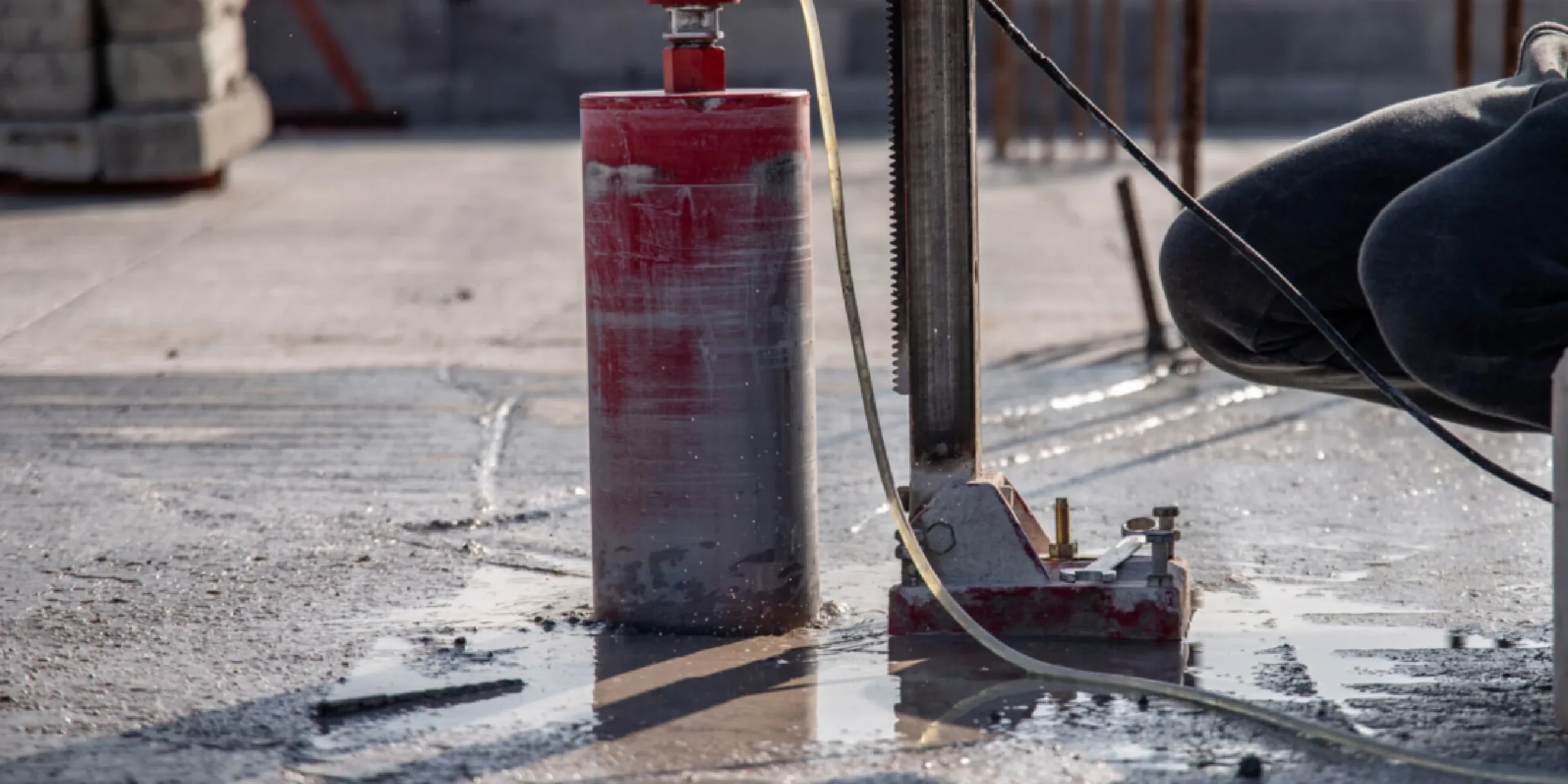
Yes, because recurring wear patterns can change with the material.
Watch for:
If granite drilling is the main application, see the DINOSAW Granite Drill Bit Guide.
Watch for:
Because the visible finish can be important, cutting stability may matter as much as penetration speed.
Watch for:
Frequent corrective dressing may indicate that the core-bit specification should be reviewed.
Pay particular attention to:
Do not diagnose all poor cutting as a “hard stone” problem. Material composition and tool design matter.
The lowest-priced bit is not necessarily the lowest-cost tool.
For production drilling, track:
A simple maintenance log might look like this:
| Date | Bit ID | Material | Diameter | Hole Count | Problem | Action |
|---|---|---|---|---|---|---|
| — | CB-01 | Granite | 35 mm | — | Glazing | Dressed / reviewed bond |
| — | CB-02 | Quartzite | 50 mm | — | Slow cutting | Checked RPM / bit spec |
| — | CB-03 | Marble | 35 mm | — | Exit chipping | Reduced breakthrough feed |
Over time, this helps answer questions such as:
This is more useful than relying on a generic claim such as “this bit lasts 300 holes.”
Stone drilling can generate respirable crystalline silica, particularly when working with natural or engineered stone.
OSHA and NIOSH recommend using engineering controls to reduce worker exposure, including:
For installation work where wet methods are impractical, OSHA specifically describes drilling and grinding tools equipped with dust shrouds connected to LEV and HEPA filtration as control options.
Respiratory protection should be selected according to the applicable exposure assessment and workplace respiratory-protection requirements rather than treating one respirator type as a universal rule.
Also follow the safety and maintenance instructions for the actual drilling machine and core bit being used.
External reference: OSHA/NIOSH — Worker Exposure to Silica during Countertop Manufacturing, Finishing, and Installation (2026)
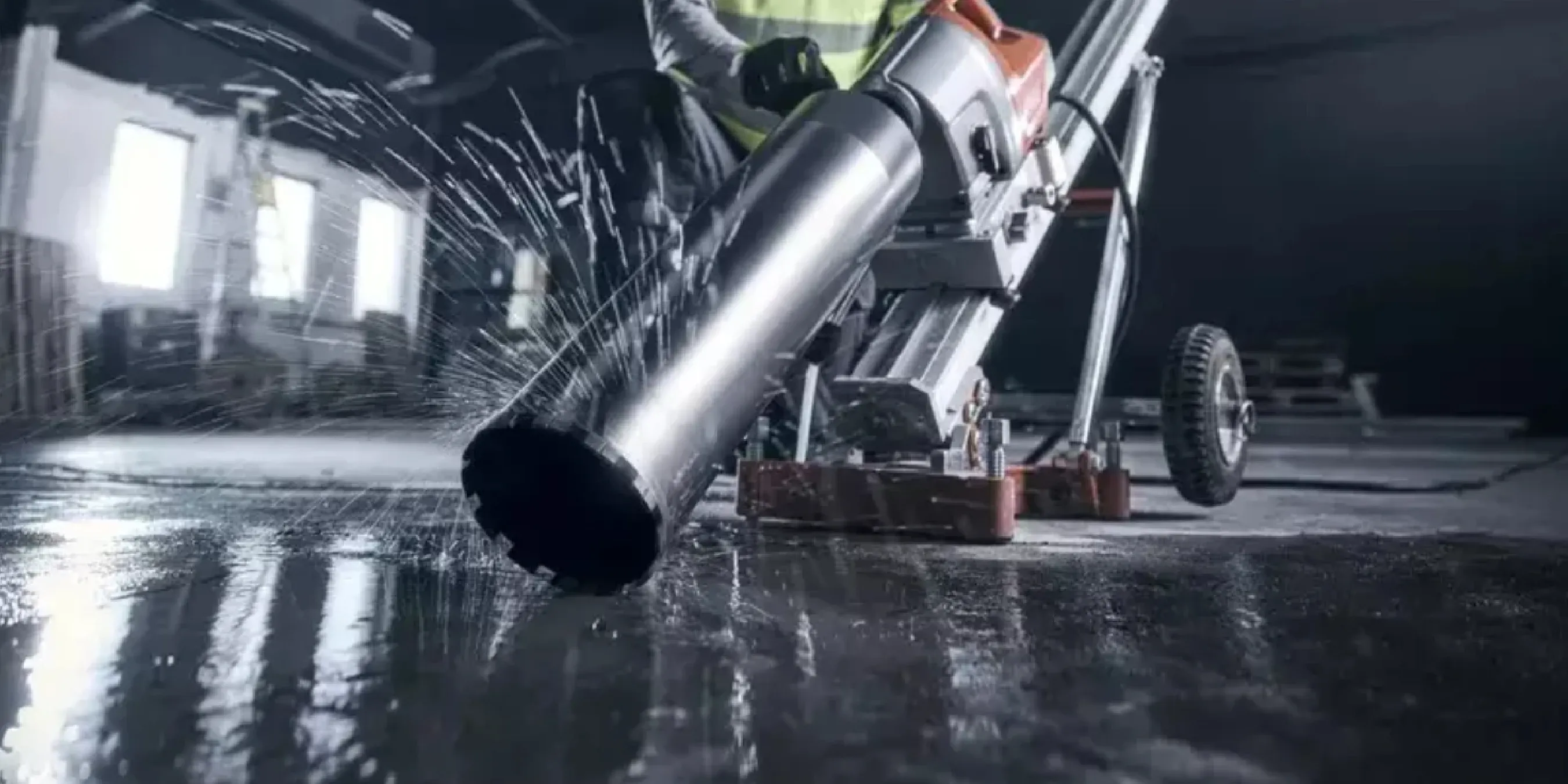
Dress the bit when its cutting surface shows signs of glazing and the bit is suitable for dressing—not simply after a fixed number of holes.
If frequent dressing is necessary, review the bit specification and operating conditions.
Glazing is one possible cause, but also check the bond, cutting-surface wear, RPM, feed, cooling and whether the bit suits the stone.
Do not assume more pressure is always the solution.
Usually not in the conventional sense.
Diamond core bits may be dressed to expose fresh diamond when appropriate, while worn segmented tools may be professionally retipped if the barrel remains suitable.
Some diamond-tool manufacturers recommend soft abrasive material such as a dressing stone or concrete block for particular glazed diamond tools.
However, follow the bit manufacturer's recommended dressing method rather than assuming the same abrasive material is suitable for every core-bit construction.
Inspect the bit first, then check mounting, runout, machine speed, feed and cooling.
If multiple known-good bits show the same abnormal behavior on the same machine, the machine or setup becomes a stronger suspect.
A visibly deformed barrel should be removed from service and assessed rather than simply straightened and reused.
For production tooling, replacement or professional repair is preferable when barrel alignment or structural integrity is uncertain.
Retipping can make sense when the cutting segments are worn but the steel barrel and connection remain straight, undamaged and suitable for reuse.
The economics depend on the bit size, barrel condition and retipping cost.
Repeated glazing can indicate a mismatch between the bit specification and the application.
Review the material, bond, RPM, feed, cooling and drilling method. If dressing restores performance only temporarily, changing the bit configuration may be more effective than repeatedly dressing the same tool.
When contacting DINOSAW about a recurring core-bit problem, provide:
This information makes it much easier to distinguish between normal wear, glazing, operating-condition problems, machine runout and an unsuitable bit specification.
For replacement or application-specific tooling, see DINOSAW Diamond Core Drill Bits for Stone
 English

Get A Easy Solution
Chat Online
Hi, this is Lizzy from Dinosaw ( Not a Robot ). Which Machine ( model ) do you want? Please WhatsApp us now
Hello 👋 How can we help?