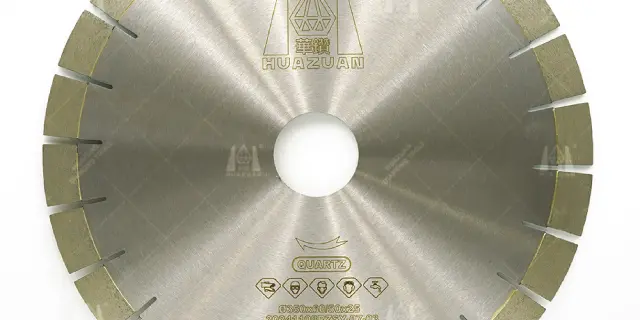
Quartz Diamond Saw Blade — Thin‑Kerf, Chip Control

300-500mm
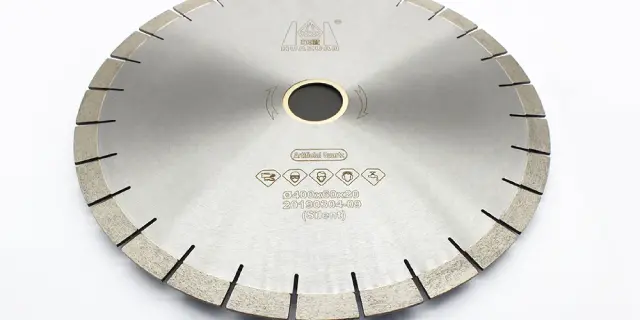
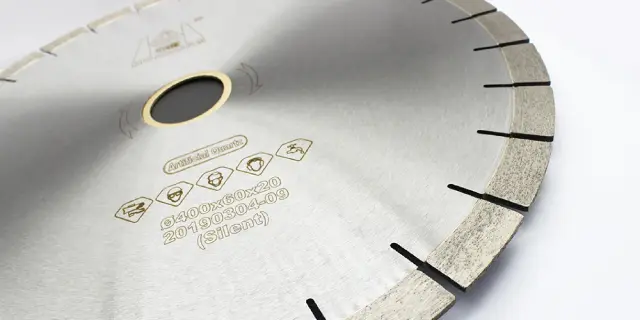
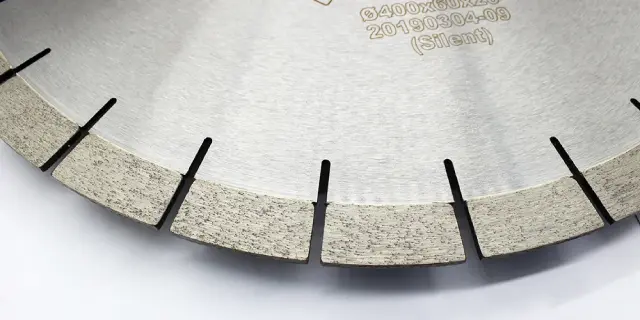
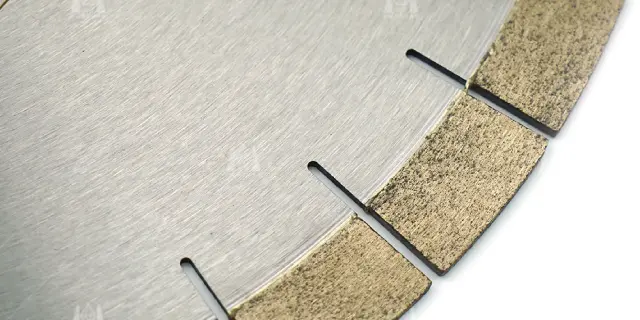
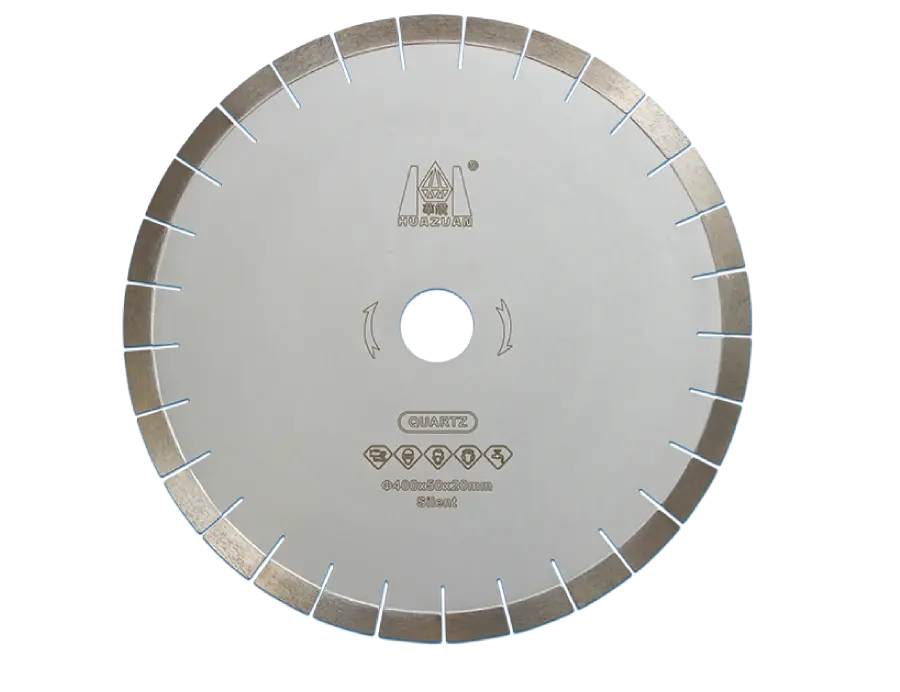
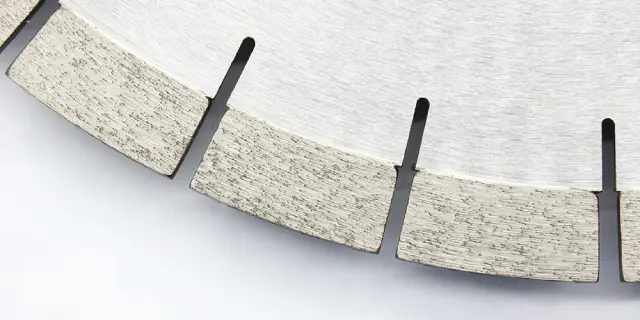
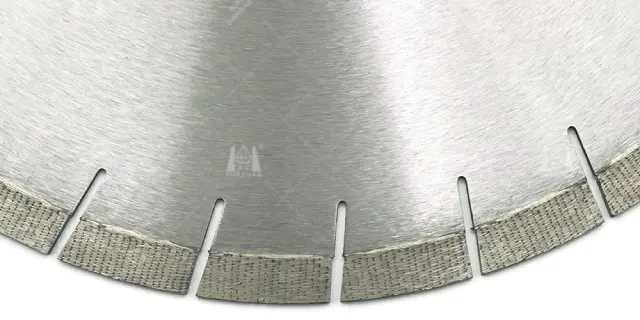
Designed for cutting quartz and engineered stone across multiple cutting machines. The blade’s thin‑kerf slot and high diamond concentration deliver clean, straight cuts on dense, brittle materials including quartz slabs, porcelain, and sintered stone. Benefits include reduced chipping, smooth edges, stable feed, and extended tool life, improving finish quality and project timelines.
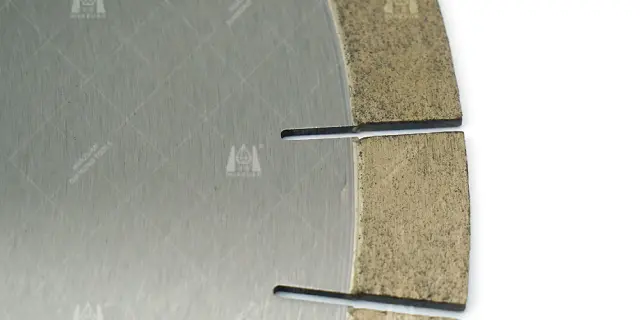
Thin Kerf3.2–4.2 mm cutting slots preserve more sellable slab area
Low-Chip EdgeHigh diamond concentration for clean countertop and miter cuts
300–500 mmBridge-saw range for countertop and engineered-slab production

Applicable Materials

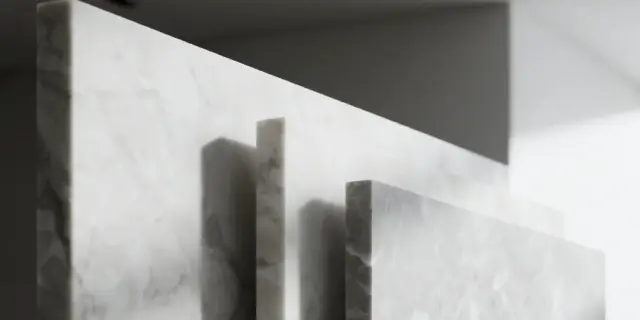
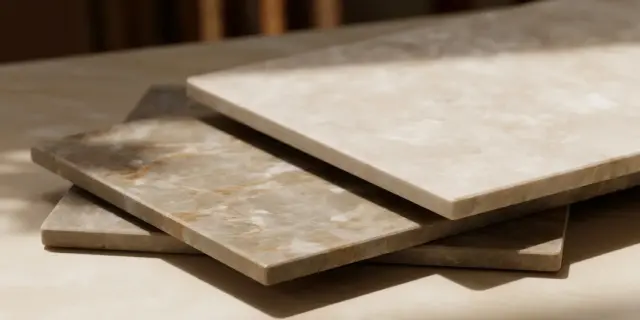
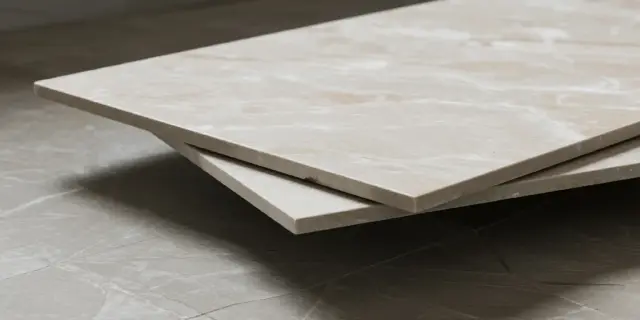
Quartz and engineered stone; compatible with selected porcelain and sintered slabs

Certifications & Credentials

CE Certified · ISO 9001:2015 · Industry Standard Drafting Participant · 120+ Countries & Regions Served

Compatible Materials & Products

Optimized for Quartz & Ultra‑Compact Surfaces

Real Cutting Performance & Key Metrics

The DINOSAW quartz blade is built around countertop fabrication economics: a 3.2–4.2 mm thin kerf preserves sellable slab area, high diamond concentration controls edge chipping, and the 300–500 mm bridge saw range serves engineered stone production lines.

3.2–4.2 mm

Kerf Range

Known kerf widths across the diameter range keep cutting loss controlled: every millimeter of slot is material paid for but not sold.

300–500 mm

Bridge Saw Range

Five diameters cover bridge saw stations cutting quartz countertops, panels and engineered slabs.

10 / 20 mm

Segment Height

Standard and tall segment heights match cutting depth and blade life targets per production program.

50 / 60 mm

Direct Arbor Fit

Standard 50/60 mm arbors fit common bridge saw spindles directly — no adapter plates, no runout from improvised fittings.

Primary materials: Quartz and engineered stone. Additional compatible materials: selected porcelain and sintered slabs with per-material parameters.

Typical machines: Bridge saws cutting full-depth countertops, miter edges and engineered slab panels.

Actual blade life varies with material density, cutting parameters and water supply.

Specs and options

Five standard diameters from Φ300 to Φ500 mm (12"–20") with kerf from 3.2 mm at Φ300 to 4.2 mm at Φ500, segment heights 10/20 mm and arbors 50/60 mm. Kerf width is known per diameter, so blade loss enters nesting calculations accurately.

DiameterSegment WidthSegment HeightTeeth Qty.Arbor
Inchesmmmmmmpcsmm
12"3003.210 / 20 / 252150 / 60
14"3503.410 / 20 / 252450 / 60
16"4003.610 / 20 / 252850 / 60
18"450410 / 20 / 253250 / 60
20"5004.210 / 20 / 253650 / 60

Core Technology & Blade Structure

Four engineering decisions behind the quartz blade design. The numbered points on the blade diagram correspond to the systems below.

Dinosaw machine Quartz Diamond Saw Blade — Thin‑Kerf, Chip Control

Quartz Blade Specification Workflow

Specify the blade from the production data: dominant material brand and body type, saw model and spindle, target kerf for yield calculations, cutting depth per program, and current blade life baseline. DINOSAW returns the diameter, kerf class and bond specification — trial cuts on your material verify edge quality before production supply.

01

Thin-Kerf Yield

Every millimeter removed by the blade is material you paid for but cannot sell: the 3.2–4.2 mm kerf keeps cutting loss controlled across repeated countertop nesting and panel production — on priced-per-square-meter quartz, kerf is a yield line in the cost calculation.

02

Balanced Diamond Concentration

Diamond concentration and bond structure are balanced for dense engineered slabs: the cutting face stays active through production instead of glazing early — concentration is engineered per material behavior, not maximized as a number.

03

Brittle-Edge Control

Quartz and engineered slabs are most vulnerable at cut entry, exit and miter faces: segment geometry and stable blade tracking reduce micro-chipping before edging and polishing, protecting edges that the installation exposes.

04

Predictable Kerf by Diameter

Kerf is specified per diameter (3.2 to 4.2 mm across Φ300–500 mm): known blade loss per cut enters nesting and cutting allowances accurately, so yield calculations hold across the machine fleet.

05

Direct Arbor Fit

50/60 mm arbors match common bridge saw spindles directly: blade runout from adapter stacks is a leading cause of wavy cuts and premature wear, and direct fit eliminates it.

06

Primary & Compatible Materials

The blade is engineered primary for quartz and engineered stone; selected porcelain and sintered slabs cut within the same family at adjusted parameters. Factories running regular Dekton or ultra-compact programs step up to the dedicated sintered-stone blade — the product family is layered by application, not blurred.

Quartz Blade vs. Dedicated Ultra-Compact Blade

A selection table for engineered stone and sintered slab producers.

Quartz Blade vs. Dedicated Ultra-Compact Blade
Dedicated Sintered BladeVSQuartz Blade
Ultra-compact / sintered slabPrimary material✓ Engineered quartz
Edge/miter stability under high abrasivenessMain priority✓ Thin kerf + slab yield
300–500 mmDiameter✓ 300–500 mm
3.2–4.2 mmKerf✓ 3.2–4.2 mm
41/43 mm long segment + dedicated bondSegment story✓ High diamond concentration / thin kerf
Dekton/sintered specialist productionBest for✓ Countertop quartz volume

Note: configurations vary by brand and model; actual performance depends on the specific machine, material and working conditions.

The Manufacturer Behind the Blade Range

DINOSAW is a manufacturer of CNC stone processing machinery, specializing in diamond wire saw machines and CNC stone cutting equipment. With more than 20 years of R&D and manufacturing experience, DINOSAW contributes to industry standards including T/CMES 41001-2025 for CNC wire saw machines, holds 100+ technical patents, and supplies equipment and technical support to customers in 120+ countries and regions. Its manufacturing and management systems are certified to ISO 9001, ISO 14001 and ISO 45001, with CE-compliant machinery for international markets.

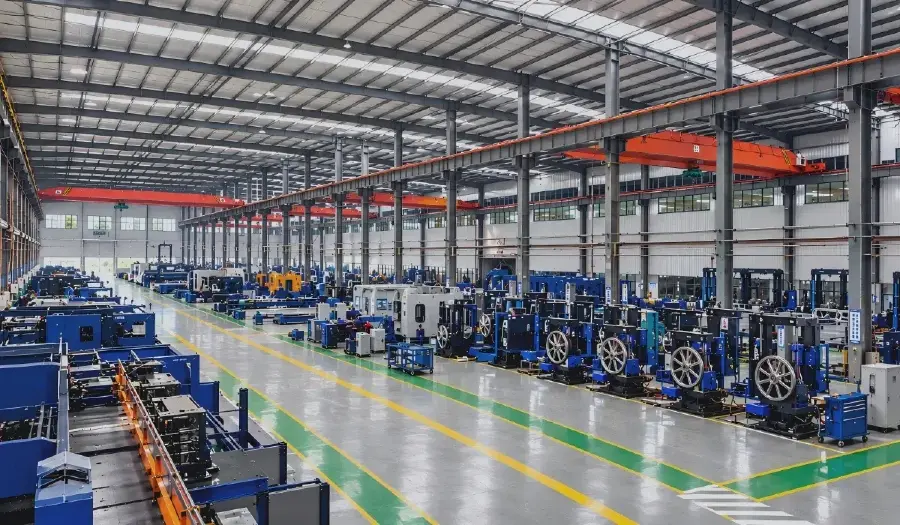
DINOSAW CNC stone machinery manufacturing workshop
DINOSAW R&D & ManufacturingMechanical Design · CNC Control Development · Assembly · Testing · Commissioning · Global Delivery
Industry Standard Drafting

DINOSAW contributes to industry standards for stone machinery, including T/CMES 41001-2025 for CNC wire saw machines, as well as standards covering multi-wire saws, combined wire saw machines and five-axis bridge cutting equipment. This work reflects the company’s long-term involvement in machine design, manufacturing, testing and quality control.

20+Years of Stone Machinery R&D & Manufacturing Experience
100+Technical Patents — Covering machine structures, CNC control, cutting systems and stone processing technologies
120+Countries & Regions Served — Equipment, installation and technical support worldwide

CE Compliance & ISO Management Systems

CE: Stone cutting machinery assessed against Machinery Directive 2006/42/EC and relevant EN standards.
ISO: Management systems certified to ISO 9001, ISO 14001 and ISO 45001.

Ordering Requirements & After-Sales Support

DINOSAW provides blade specification per material and machine, trial cutting on sample slabs and batch supply for countertop production lines.

Machine FitΦ300–500 mm, 50/60 mm arbor

Confirm saw blade capacity and flange spec before ordering.

Water SupplyContinuous at the cut

Cooling is critical on dense engineered stone.

Trial CuttingSample slab evaluation

Trial cuts verify edge quality on your material brand.

01 · Pre-Shipment & DeliveryMachine configuration, packaging and transport requirements confirmed before dispatch, with factory inspection and documents verified.
02 · Installation & CommissioningOn-site utilities and foundation check, machine positioning, commissioning and acceptance.
03 · Operator TrainingHands-on training covering routine CNC operation and daily checks of blades, spindles, cooling and lubrication.
04 · After-Sales SupportRemote technical assistance, maintenance support and spare parts coordination throughout the machine's service life.

Quartz Saw Blade Selection & Use FAQ

Common Questions About Quartz Diamond Saw Blades

Selected sintered and porcelain programs run on this blade family with adjusted parameters — occasional compatibility is real. But compatibility is not optimization: Dekton and ultra-compact surfaces are denser and more abrasive than engineered quartz, and they consume bonds at a different rate, with miter-face quality as the visible specification. Factories cutting ultra-compact material regularly — as a product line, not an occasional order — should run the dedicated sintered-stone blade: its long-segment geometry and controlled-wear bond exist for exactly that duty cycle, and blade life baselines become meaningful when the blade and material are matched. The practical rule: quartz and engineered stone as the daily program, this blade; Dekton or sintered stone as a regular product line, the dedicated blade. If your mix crosses both, stock both and track life separately per material.

Because kerf is purchased area that leaves the building as dust. Quartz sells by the square meter, and every cut converts a strip of sellable slab into slurry: on a typical countertop nest with 8–12 full-length cuts, the difference between a thin kerf and a standard kerf recovers the area of an additional strip per slab or more on tight layouts. Across a year of production, that arithmetic commonly exceeds the blade price difference many times over — before counting edge-quality benefits. Run the calculation with your own slab sizes and nest patterns: kerf width times cuts per slab times slabs per month is recovered sellable area per month. Where the material is premium and the cuts are finish work, thin kerf is a yield decision, not a tooling detail.

Match the diameter to the cutting depth first, not the table size. The blade must clear the thickest cut in your program — slab thickness plus table clearance plus dressing margin — so a shop cutting 20 mm quartz with standard tables typically runs Φ350–400 mm, while programs cutting thick built-up edges or deeper sections step to Φ450–500 mm. Oversizing costs kerf width and rim speed; undersizing leaves uncut depth or forces shallow passes that mark the surface. Second, confirm the saw's arbor (50/60 mm on this range) and spindle power: larger diameters demand more torque at the working rim speed. Third, keep the kerf specification in the decision — the same program at Φ400 and Φ500 carries different kerf widths and yield. Send the saw model and thickest cut, and the diameter recommendation comes back with the kerf numbers attached.

Contact Dinosaw

Specify a Quartz Blade for Your Production

Are you looking for the perfect cutting machines or processing solutions for hard and brittle materials?

Facing challenges in stone quarrying, countertop cutting, concrete and underwater pipeline cutting, stainless steel rust removal and grinding, luxury thin slab cutting, agate and gemstone cutting, graphite cutting, or even building demolition?

Leave your inquiry, and you can expect a reply within 12 hours with tailored solutions!

Prefer email?

You can also reach us at

gma@dinosawmachine.com
Quartz Diamond Saw Blade — Thin‑Kerf, Chip Control

What materials will you be working with? *

Your Name / Company Name? *

Phone Number / Email Address? *

+86

What specific requirements do you have?

Get A Easy Solution

Chat Online
Ms.Lizzy

Hi, this is Lizzy from Dinosaw ( Not a Robot ).  Which Machine ( model ) do you want? Please WhatsApp us now

WhatsApp Chat Now
Contact Us

Hello 👋 How can we help?