CNC Stone Engraving Machine for 3D Relief & Monuments

ZDDK-3015/1325
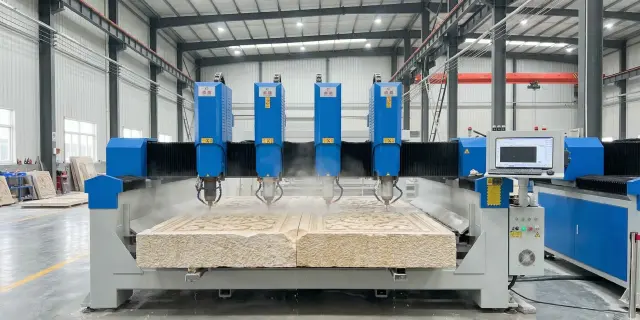
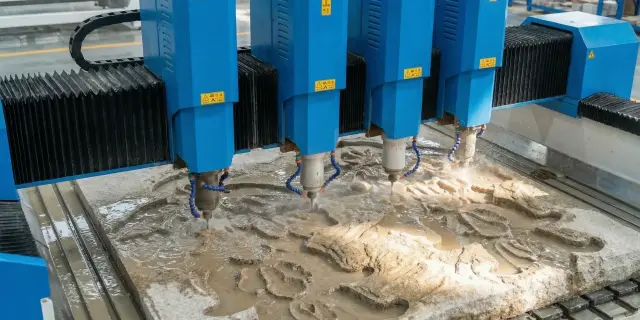
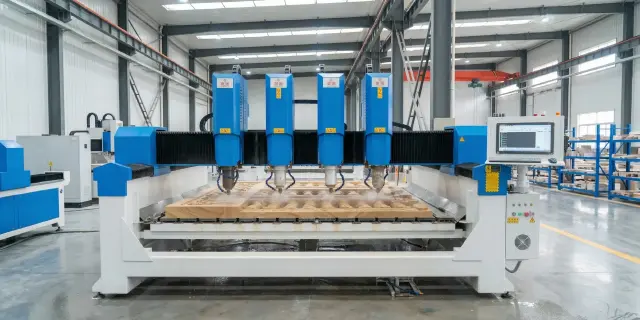
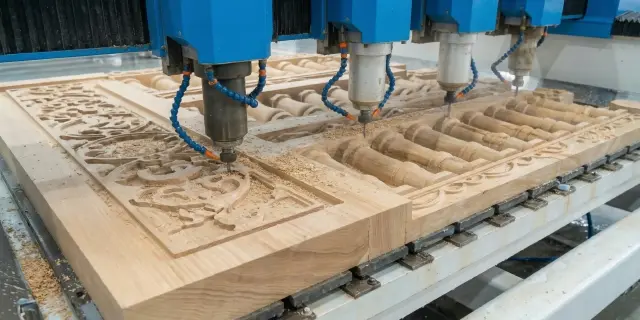
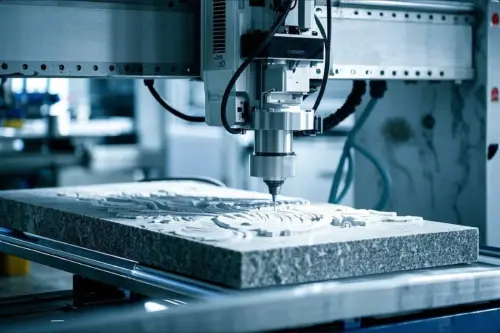
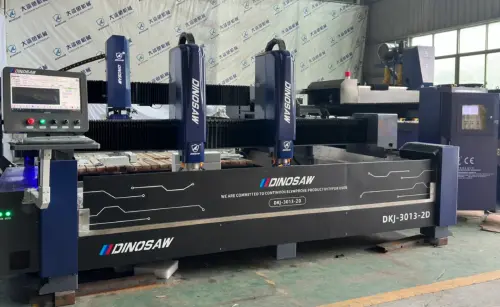
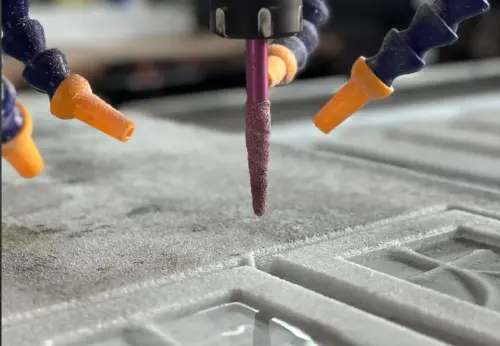
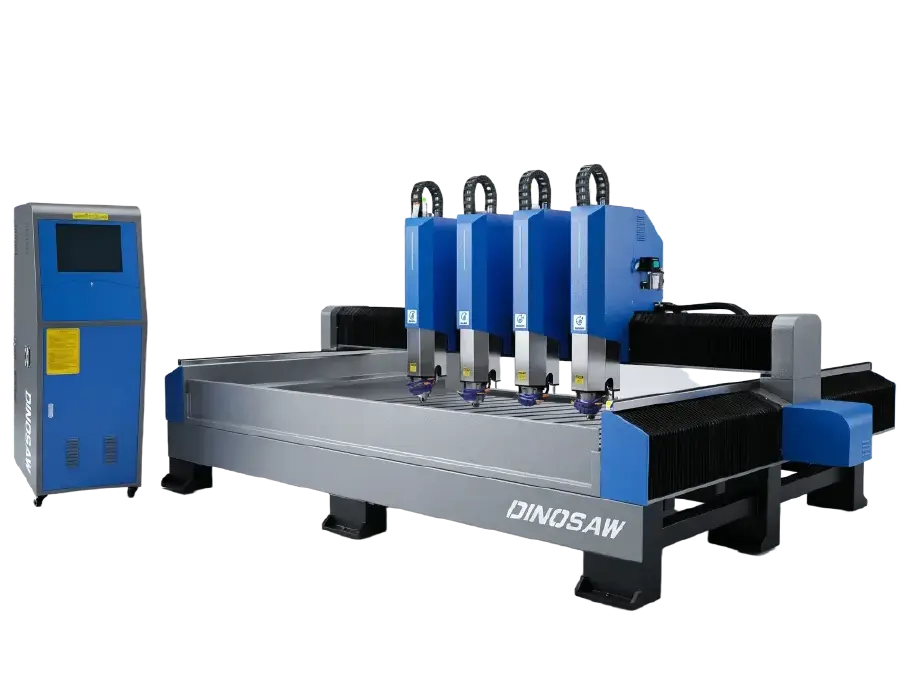
The Dinosaw CNC stone engraving machine utilizes a stress-relieved heavy-duty frame to deliver 10-year precision retention during 24/7 industrial production. This structural stability addresses the common challenges of frame deformation and complex file conversion often found in monument engraving equipment and 3D stone relief machines. By maintaining a repeatable positioning accuracy of ±0.03mm, the system produces sharp-edged results on granite and marble that eliminate the need for manual finishing and reduce specialized labor requirements by 20%. Thermal Stress Relief: Ten-Year Structural Reliability The Dinosaw engraving machine bed is constructed from thick-walled steel and subjected to high-temperature annealing followed by natural aging to eliminate internal atomic-level stress. This process prevents the mechanical frame from warping or losing alignment under the constant load of a cnc carving machine. You maintain precise tolerances for high-relief panels and multi-tile projects throughout the decade-long service life of the equipment. High-Rigidity Spindle: High-Quality Edge Definition The Dinosaw engraving system features a high-torque, water-cooled spindle with a verified runout of less than 0.005mm. This rigidity suppresses the micro-vibrations that typically cause edge-chipping in brittle materials. You achieve sharp vertical walls and flat bottoms directly from the tool bit, significantly increasing the output quality of 3D stone relief machines while removing the labor hours spent on secondary touch-ups. Direct CAD/CAM Integration: Efficient Production Workflow The industrial controller of Dinosaw stone router provides native support for AutoCAD (DXF), Artcam, and Type3 vector files, utilizing look-ahead algorithms to optimize toolpaths for stone-specific densities. This digital workflow allows designers to send files directly to the factory floor, where a general operator can manage the setup and start-up sequence. You reduce the production bottleneck caused by the scarcity of specialized CNC programmers. Full-Sealed Protection: Triple-Component Lifespan All linear rails and ball screws in the Dinosaw marble CNC router are protected by nano-grade flexible bellows for 360° physical isolation from abrasive stone dust and water spray. Combined with a programmable automated lubrication system, this configuration triples the lifespan of high-precision transmission components compared to unprotected machines. You minimize unplanned downtime and lower long-term maintenance expenditures.
±0.01 mmRepeatability that keeps fine lettering and relief paths consistent across batch work
35 m/minIndustrial processing speed for relief panels and monument lettering
600 mmDeep work envelope for relief, monuments and thick 3D blanks

Applicable Materials

Marble, granite, limestone, sandstone, travertine and engineered stone

Certifications & Credentials

CE Certified · ISO 9001:2015 · Industry Standard Drafting Participant · 120+ Countries & Regions Served

Compatible Materials & Products

Granite to Sandstone: Memorial, Art & Architectural Applications

Real Engraving Performance & Key Metrics

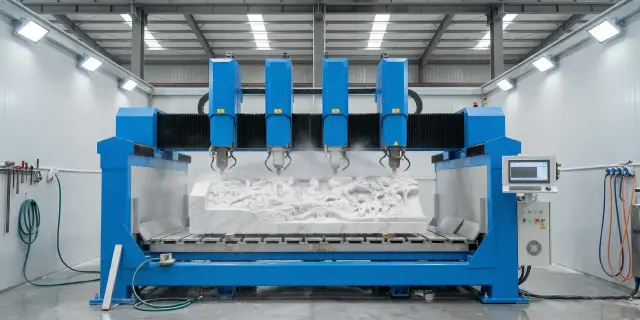
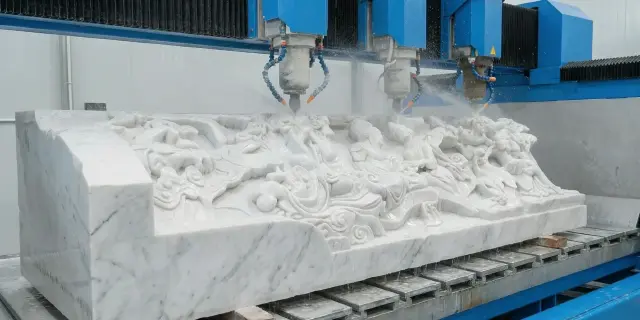
The ZDDK CNC stone engraving machine carves monument lettering, 3D relief and architectural panels at 35 m/min with a 7.5 kW water-cooled spindle — full servo control holds ±0.05 mm positioning and ±0.01 mm repeatability on five platform sizes from 1300 × 1800 to 2000 × 3000 mm.

±0.05 mm

Positioning Accuracy

Full servo system control delivers ±0.05 mm positioning — crisp lettering strokes and clean relief edges at production speed.

±0.01 mm

Repeatability

±0.01 mm repeat positioning keeps fine details identical from the first plaque to the hundredth in a batch.

35 / 40 m/min

Processing / Rapid Travel

35 m/min processing speed and 40 m/min rapid travel cut cycle times on large relief panels and monument lettering programs.

5 Sizes

1300×1800 → 2000×3000 mm

Five platforms with feeding heights to 600 mm cover plaques, tombstones, railing panels and large architectural reliefs.

Applicable materials: Marble, granite, limestone, sandstone, travertine and engineered stone.

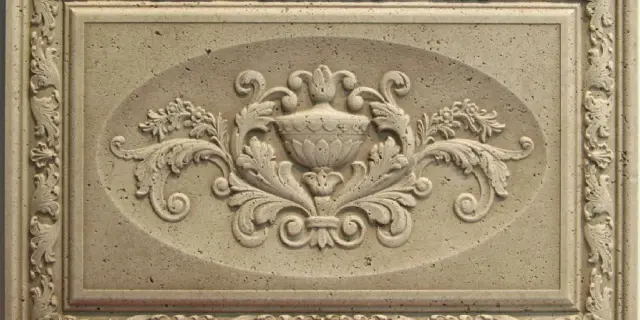
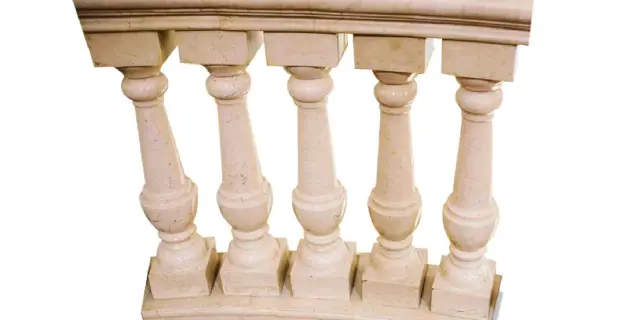
Typical products: Tombstone lettering, portrait relief, architectural wall relief, memorial ornaments, railing panels, stone signage, decorative panels, carved borders and shallow sculpture.

Actual output varies with detail density, tool path strategy and material hardness.

Specs and options

Five ZDDK platforms scale by work area: the ZDDK-1318 and 1325 for plaques and monuments, the ZDDK-1825 and 2025 for mid-size panels, and the ZDDK-2030 (2000 × 3000 mm, 600 mm feeding height) for large architectural reliefs. All share the 7.5 kW water-cooled spindle, 35 m/min processing speed, Nc Studio control with G-code / HPGL support, and ±0.05 mm positioning.

Product ModelZDDK-1318ZDDK-1325ZDDK-1825ZDDK-2025ZDDK-2030
Platform Size /mm1300×18001300×25001800×25002000×25002000×3000
Feeding Height /mm380/430/450/530/600
Idle Speed /(m/min)40
Processing Speed /(m/min)35
Spindle Power7.5kW Variable - frequency Water - cooled Motor
Spindle Speed /(rpm/min)6000 or 24000
Working VoltageAC380V / 50Hz
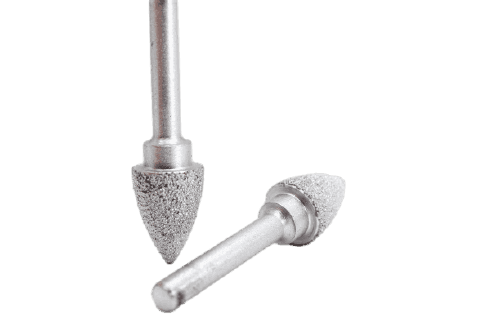
Engraving Tools /mm3.175/4/6/12.7
File FormatG - code / HPGL
Positioning Accuracy /mm0.05
Repeat Positioning Accuracy /mm0.01
Control SystemNc Studio System

Core Technology & Machine Structure

Six core systems behind the engraving platform. The numbered points on the machine diagram correspond to the systems below.

Dinosaw machine CNC Stone Engraving Machine for 3D Relief & Monuments

CNC Stone Engraving Workflow

An engraving job follows four steps: fix the stone on the platform and set the origin, select a pattern from the library or import CAD artwork, run the toolpath with the programmed bit sequence from fine detail to background clearing, then inspect depth and finish before unload.

01

Full Servo Motion

Full-servo X/Y/Z control holds fine lettering strokes and repeated relief details consistently from the first piece to the last — the ±0.01 mm repeatability is what keeps hairline details identical across a batch.

02

7.5 kW Water-Cooled Spindle

The 7.5 kW water-cooled spindle supports both fine engraving and heavy relief clearing without thermal drift during long granite programs, at 6000 or 24000 rpm matched to the tool and material.

03

Fine-to-Heavy Tool Range

Tool sizes from 3.175 mm to 12.7 mm run in the same spindle: small bits cut hairline lettering and fine relief detail, large bits clear backgrounds and rough out deep areas — one machine covers the full detail spectrum.

04

Pattern Library + CAD Import

A built-in pattern library covers common borders, fonts and motifs for standard memorial work, while CAD import brings custom artwork and architectural relief designs straight to the machine.

05

Dust-Protected Motion System

Sealed guides and protected motion components keep abrasive stone dust away from the drive system — the failure path that shortens open-frame engravers in busy shops.

06

Nc Studio + G-Code / HPGL

Nc Studio control with G-code and HPGL file support fits existing CAM workflows — shops with engraving experience run their established toolpaths and post-processors without retraining.

Stone Engraving Machine vs. Stone Profiling Machine

A geometry-driven comparison for engraving and linear profiling buyers.

Stone Engraving Machine vs. Stone Profiling Machine
SKFX ProfilingVSZDDK Engraving
Repeated linear cross-sectionGeometry✓ Surface / relief / lettering
Saw bladeTool✓ Rotary engraving tools
Sills, moldings, kerbstonesProducts✓ Monuments, reliefs, lettering
Parameters / DXF profileProgramming✓ G-code / CAD / HPGL
Fast profile changesMain strength✓ Fine surface detail
Long architectural stripsBest for✓ Panels and engraved work

Note: configurations vary by brand and model; actual performance depends on the specific machine, material and working conditions.

The Manufacturer Behind the ZDDK Series

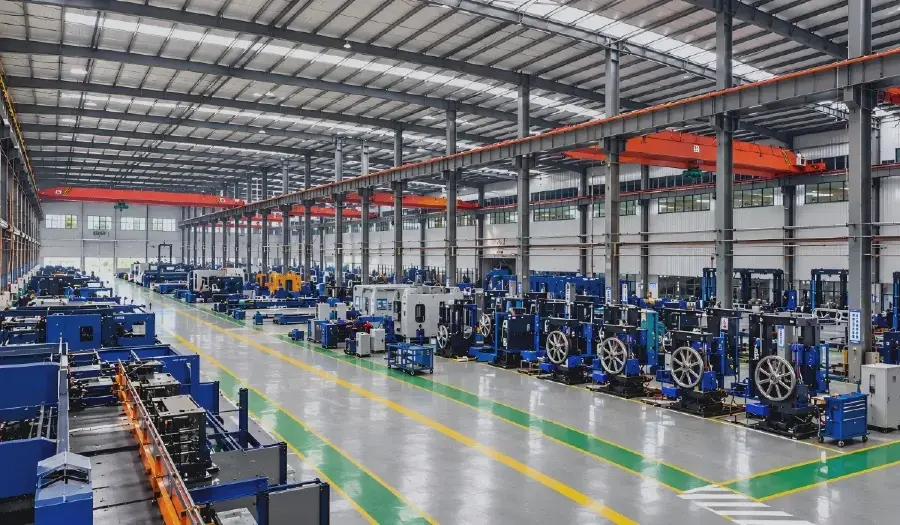
DINOSAW is a manufacturer of CNC stone processing machinery, specializing in diamond wire saw machines and CNC stone cutting equipment. With more than 20 years of R&D and manufacturing experience, DINOSAW contributes to industry standards including T/CMES 41001-2025 for CNC wire saw machines, holds 100+ technical patents, and supplies equipment and technical support to customers in 120+ countries and regions. Its manufacturing and management systems are certified to ISO 9001, ISO 14001 and ISO 45001, with CE-compliant machinery for international markets.

DINOSAW CNC stone machinery manufacturing workshop
DINOSAW R&D & ManufacturingMechanical Design · CNC Control Development · Assembly · Testing · Commissioning · Global Delivery
Industry Standard Drafting

DINOSAW contributes to industry standards for stone machinery, including T/CMES 41001-2025 for CNC wire saw machines, as well as standards covering multi-wire saws, combined wire saw machines and five-axis bridge cutting equipment. This work reflects the company’s long-term involvement in machine design, manufacturing, testing and quality control.

20+Years of Stone Machinery R&D & Manufacturing Experience
100+Technical Patents — Covering machine structures, CNC control, cutting systems and stone processing technologies
120+Countries & Regions Served — Equipment, installation and technical support worldwide

CE Compliance & ISO Management Systems

CE: Stone cutting machinery assessed against Machinery Directive 2006/42/EC and relevant EN standards.
ISO: Management systems certified to ISO 9001, ISO 14001 and ISO 45001.

Installation Requirements & After-Sales Support

DINOSAW provides installation guidance, operator training, remote diagnosis and spare-parts coordination for every machine.

FootprintPlatform size by model

Five platforms 1300 × 1800 mm to 2000 × 3000 mm; allow operator access around.

Power SupplyAC 380V / 50Hz standard

Other voltages configured per destination before shipment.

Water SupplySpindle and dust control water

Water-cooled spindle plus work-area dust suppression.

01 · Pre-Shipment & DeliveryMachine configuration, packaging and transport requirements confirmed before dispatch, with factory inspection and documents verified.
02 · Installation & CommissioningOn-site utilities and foundation check, machine positioning, commissioning and acceptance.
03 · Operator TrainingHands-on training covering routine CNC operation and daily checks of blades, spindles, cooling and lubrication.
04 · After-Sales SupportRemote technical assistance, maintenance support and spare parts coordination throughout the machine's service life.

ZDDK CNC Stone Engraving Machine FAQ

Common Questions About CNC Stone Engraving Machine

This CNC stone engraving machine is used for engraving and carving a wide range of stone materials commonly used in decorative and architectural projects.

Materials you would typically process

  • Marble

  • Granite

  • Limestone

  • Travertine

  • Artificial stone

  • Quartz-based stone

These materials are usually processed at the finishing stage, where surface detail matters more than bulk material removal.

What to consider before deciding
Confirm that your work focuses on engraving or carving finished stone surfaces rather than primary cutting.

This machine is commonly used to produce finished stone products where visual detail and shape definition are important.

Typical finished products

  • Stone signs and lettering panels

  • Engraved logos and decorative patterns

  • Relief-carved wall panels

  • Memorial stones and inscriptions

  • Decorative architectural elements

These products rely on controlled tool paths and consistent carving depth.

What to consider before deciding
Check whether your products are decorative or presentation-facing, rather than purely structural.

This machine can handle a wide range of engraving and carving work, with capability depending on the axis configuration you choose.

How different axis setups are typically used

  • 3-axis
    Used for flat surface engraving, text carving, and basic relief work on stone panels.

  • 4-axis
    Adds rotational capability, useful for engraving cylindrical or side surfaces, such as columns or rounded stone parts.

  • 5-axis
    Allows the tool to tilt and approach the stone from multiple angles, suitable for complex shapes, curved surfaces, and multi-face carving without repositioning.

More axes expand the range of shapes you can engrave and reduce the need to re-clamp the workpiece.

What to consider before deciding
Choose the axis configuration based on the geometry of your finished products, not just on maximum machine capability.

Yes. This machine is commonly used for engraving work where details and line clarity matter.

Typical detailed work

  • Fine text and lettering

  • Logos with thin lines

  • Decorative patterns with layered depth

These details are usually required on finished stone surfaces that will be viewed up close, such as signs, panels, or memorial products.

What to consider before deciding
Think about whether your products require controlled, repeatable detail rather than rough surface carving.

This type of machine is commonly found in small to medium stone fabrication workshops focused on decorative or finishing work.

You often see it in

  • Stone engraving and signage workshops

  • Memorial and monument factories

  • Architectural decoration studios

  • Fabricators producing customized stone elements

These workshops typically combine engraving with other stone processing steps.

What to consider before deciding
Match the machine to your workshop’s role—finishing and detailing rather than primary stone cutting.

This machine is not designed for heavy material removal or rough shaping.

It is not suitable for

  • Large-scale rough sculpting

  • Freehand artistic carving without digital files

  • Primary cutting or slab sizing

  • Very deep, high-volume material removal

Those tasks are usually handled by different types of stone machinery.

What to consider before deciding
Be clear about whether engraving is a finishing process or a primary shaping step in your workflow.

This machine is a good fit if your work involves digital designs, repeatable engraving, and decorative stone products.

You should consider it if

  • You engrave text, patterns, or reliefs on stone

  • Your products require consistent results across batches

  • You already work with CAD/CAM design files

It may not be a good fit if

  • Your work is mainly rough cutting or shaping

  • You rely on manual artistic carving

  • You do not use digital design workflows

What to consider before deciding
Choose the machine based on how engraving fits into your overall production process.

This CNC stone engraving machine and a laser engraving machine are used for very different types of engraving work, even though they are often mentioned together.

How the engraving method is different

  • A CNC stone engraving machine uses physical cutting tools to carve into the stone surface.

  • A laser engraving machine uses a laser beam to mark or etch the surface.

Because CNC engraving removes material mechanically, it can create real depth and relief. Laser engraving mainly affects the surface layer.

What this means for finished stone products

  • CNC engraving is used for deep lettering, relief carving, and three-dimensional patterns on stone.

  • Laser engraving is typically used for surface marking, fine text, or shallow decorative effects.

For products like stone signs, memorial inscriptions, relief panels, and architectural elements, CNC engraving is the common choice because the engraving remains visible and durable over time.

Material suitability is also different
Laser engraving works best on materials designed for surface marking. CNC engraving is used on natural stone and engineered stone where physical carving is required.

What to consider before deciding
If your finished products require depth, texture, or long-term durability on stone surfaces, a CNC stone engraving machine is the more suitable option. If your work only requires surface marking or light decoration, a laser machine may be sufficient.

Mechanical removal versus surface marking. The ZDDK cuts stone away with rotating tools — 3D relief with real depth, V-cut lettering, deep portraits and architectural detail down to fine strokes with 3.175 mm bits. A laser only marks or lightly etches the surface: no depth, limited contrast on dark granites, and no relief structure. For monuments and architectural carving where depth and shadow define the work, mechanical CNC engraving is the only technology that produces it. Laser suits flat signage and photos on dark stone; carving, relief and deep lettering point to the ZDDK. The two even complement each other in a monument shop — laser for portrait photos, CNC for structure and lettering.

Size against your largest regular memorial piece, plus room for fixturing. Plaque and headstone shops are fully covered by the ZDDK-1318 or 1325 (1300 mm width, 380–430 mm feeding height). Shops adding architectural reliefs and large panels step up to the ZDDK-1825 or 2025, and the ZDDK-2030 (2000 × 3000 mm, 600 mm feeding height) takes full architectural reliefs in one setup. Because all five share the same 7.5 kW spindle, control system and accuracy class, the platform choice changes envelope — not capability. Feeding height matters as much as area for 3D work: verify your thickest blank against the 380–600 mm range per model.

Choose the ZDDK when your work is flat or mostly top-access: relief panels, tombstone lettering, portraits, signage and architectural surface carving on a large flat bed — at lower cost and higher flat-slab efficiency than a robot. Choose the DS-KR210 robotic cell when geometry demands side, back or undercut access: full sculptures, column capitals with compound curves, deep back-cut moldings and pieces requiring multi-face machining in one setup. They are complementary, not a price ladder — many carving shops run a ZDDK for panel and lettering volume alongside a robot for sculptural work.

They answer different geometry questions. The SKFX cuts a repeating cross-section along a straight run with a saw blade — window sills, moldings, kerbstones and stair nosings — with parameter-driven toolpath compensation. The ZDDK removes material with rotary engraving tools following toolpaths over a surface — lettering, relief and decorative carving on panels and monuments. If the product is a long linear strip with a profile section, it belongs on the SKFX; if the work is detail on a face, it belongs on the ZDDK. A molding shop and a monument shop buy different machines even though both say "CNC".

Contact Dinosaw

Discuss ZDDK Pricing, Size & Application

Are you looking for the perfect cutting machines or processing solutions for hard and brittle materials?

Facing challenges in stone quarrying, countertop cutting, concrete and underwater pipeline cutting, stainless steel rust removal and grinding, luxury thin slab cutting, agate and gemstone cutting, graphite cutting, or even building demolition?

Leave your inquiry, and you can expect a reply within 12 hours with tailored solutions!

Prefer email?

You can also reach us at

gma@dinosawmachine.com
CNC Stone Engraving Machine for 3D Relief & Monuments

What materials will you be working with? *

Your Name / Company Name? *

Phone Number / Email Address? *

+86

What specific requirements do you have?

ZDDK Guides & Related Equipment

Selection guides and related equipment for stone engraving, relief carving and monument lettering.

Get A Easy Solution

Chat Online
Ms.Lizzy

Hi, this is Lizzy from Dinosaw ( Not a Robot ).  Which Machine ( model ) do you want? Please WhatsApp us now

WhatsApp Chat Now
Contact Us

Hello 👋 How can we help?