


Granite Slab Line Grinding
Run metal fickert bars across automatic line heads to level sawn granite slabs and remove blade marks before calibration. Grits 36# through 220# carry the slab from rough removal to scratch control on one bond family.


Open Hours:8:30am-20:30pm

WhatsApp: +86 198-5901-3937
Applicable Materials
Granite, marble, engineered quartz, terrazzo and similar stone slabs processed on automatic polishing lines
Certifications & Credentials
CE Certified · ISO 9001:2015 · Industry Standard Drafting Participant · 120+ Countries & Regions Served
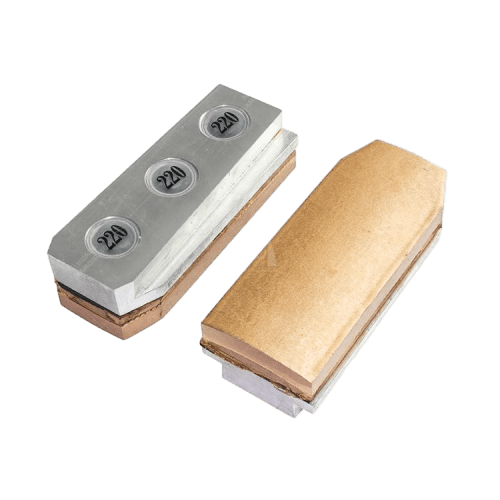
Metal bond fickerts run on automatic line heads wherever slabs need material removed or scratches controlled before the finish stage — on high-volume granite and marble polishing lines.
Run metal fickert bars across automatic line heads to level sawn granite slabs and remove blade marks before calibration. Grits 36# through 220# carry the slab from rough removal to scratch control on one bond family.
On marble lines, mid and fine metal grits true the slab and clean the previous stage's scratches without the loading that harder stones cause. Softer stone often starts the schedule at 60# or 80# instead of 36#.
Fine metal grits such as 320# and 400# hold polish quality well enough to take line positions that previously ran resin or magnesite, lowering consumable cost on long production runs without changing the holder setup.
Coarse 36# and 46# metal bars take down the thickness variation and washboard left by the saw on granite, holding big diamonds under high head pressure so the first grinding stage works at line speed.
Synthetic fickerts at 400#-1000# or fine metal bars prepare the surface that the resin finish stage needs, closing the mid stages in the same L140 format so head setup stays unchanged.
The DINOSAW metal bond diamond fickert is the cost-engineered grinding head for automatic polishing lines — a structural design that delivers higher quality at lower cost, with fine grits that step in where resin and magnesite used to run.
The metal bar seats standard fickert holders on automatic line heads, so heads set up fast and grind a full-width flat pass instead of repeated narrow passes.
Grits 36#, 46#, 60#, 80#, 120#, 180# and 220# let a line move from sawn-slab leveling to pre-fine scratch control without changing bond family mid-schedule.
Fine metal grits such as 320# and 400# polish well enough to take mid-stage positions that previously ran resin or magnesite, cutting consumable cost on long runs.
Metal bars 36#-220#, magnesite bars 36#-220# and synthetic bars 400#-1000# share the L140 format, so the whole grit schedule is planned from one supplier.
Applicable materials: Granite, marble, engineered quartz, terrazzo and similar stone slabs processed on automatic polishing lines.
Typical products: Ground and calibrated granite and marble slabs between sawing and the resin finish stage, including mid-stage passes where fine metal or synthetic grits replace resin and magnesite tools.
Actual grinding rate, bar life and polishing quality vary with stone hardness and quartz content, grit number, head pressure, line speed, water flow and holder seating condition.
Choose the bar by bond type and stage duty. Metal bond fickerts (L140 x H15 mm, 36#-220#) cover stock removal through scratch refinement and include fine 320#/400# grits for resin replacement. Magnesite fickerts (L140 x H50 mm, 36#-220#) and synthetic fickerts (L140 x H50 mm, 400#-1000#) extend the program into the mid and fine stages. All three share the L140 mm length for line heads; confirm the holder height on your heads before ordering.
| Specification | Metal Bond | Magnesite | Synthetic |
| Format | Fickert bar for line heads | Fickert bar for line heads | Fickert bar for line heads |
| Length L (mm) | 140 | 140 | 140 |
| Height H (mm) | 15 | 50 | 50 |
| Grit range | 36#, 46#, 60#, 80#, 120#, 180#, 220# | 36#-220# | 400#-1000# |
Six engineering decisions behind the metal bond fickert program. The numbered points on the tool diagram correspond to the systems below.
A metal fickert run follows four steps: 1 · Inspect & seat: check the holder seat, clamp the L140 x H15 mm bar flat and confirm head pressure and water flow. 2 · Set the grit sequence: stage 36#-220# metal bars from removal to scratch refinement, then plan 320#/400# or synthetic 400#-1000# bars for the mid stages. 3 · Run the passes: send slabs through the line at set speed with continuous water across the head. 4 · Verify & step: check thickness and scratch pattern, then move to the next grit or hand over to the resin finish stage.
The particular structural design places bond metal only where the head loads it, instead of filling the whole block. Less bond and less diamond go into each bar while the working face keeps the same contact geometry, which is how the bar reaches higher quality at lower cost.
Every diamond batch is graded before it enters the mix, so the grit size printed on the box is the grit size that arrives at the factory. Stable grit is what lets a head of bars grind uniformly instead of leaving one stubborn coarse scratch to chase at the next stage.
The metal bond is matched to the diamond grit so the bond wears as the diamond dulls, exposing fresh cutting edges through long granite passes. Correct bond-to-stone pairing keeps removal rate steady instead of glazing or shedding early.
Fine metal grits such as 320# and 400# hold their size well enough to run mid-stage positions that used to belong to resin or magnesite. Lines that switch these positions to metal cut consumable cost without giving up the surface the next stage needs.
The L140 x H15 mm format matches standard fickert seats on automatic line heads. Correct seating holds the bar flat under head pressure, and a flat-seated bar is what keeps slab thickness variation from returning after calibration.
Metal bars 36#-220#, magnesite bars 36#-220# and synthetic bars 400#-1000# share the L140 mm length, so one holder program covers the whole schedule. Procurement, storage and head setup stay simple when every stage speaks the same format.
Choose by machine head: the fickert bar serves automatic line heads, while the frankfurt tool fits a different holder on single-head and edge machines.
DINOSAW is a manufacturer of CNC stone processing machinery, specializing in diamond wire saw machines and CNC stone cutting equipment. With more than 20 years of R&D and manufacturing experience, DINOSAW contributes to industry standards including T/CMES 41001-2025 for CNC wire saw machines, holds 100+ technical patents, and supplies equipment and technical support to customers in 120+ countries and regions. Its manufacturing and management systems are certified to ISO 9001, ISO 14001 and ISO 45001, with CE-compliant machinery for international markets.
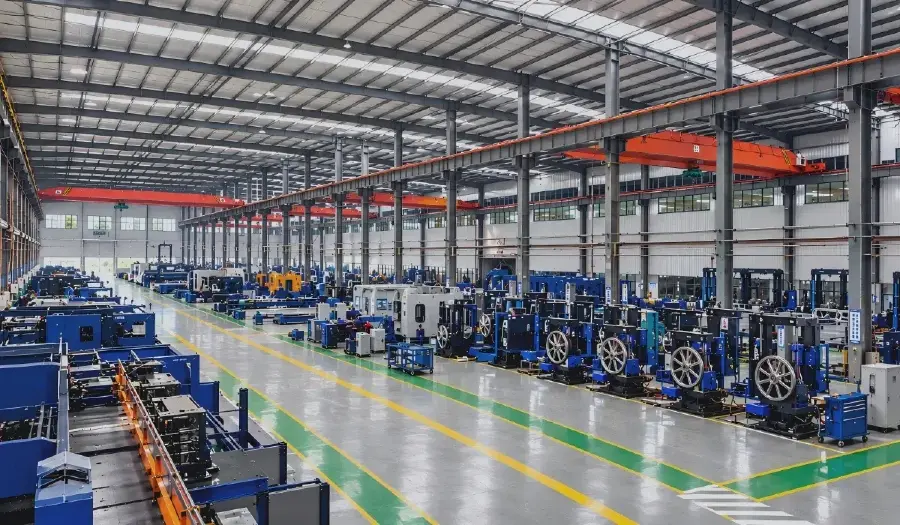
DINOSAW provides application guidance, grit-sequence planning, trial-bar support and reorder coordination for every abrasive program.
Confirm your line heads take the fickert bar format; frankfurt-holder machines need the frankfurt-format tool instead.
Share your stone mix and current grit schedule so DINOSAW maps the right bond and grit to each head position.
Run with the line's normal grinding water supply and keep flow steady across the head to avoid local overheating of the bond.
Answers to the main buying questions around fickert versus frankfurt format, grit sequencing, resin replacement and quotation preparation.
Order metal fickerts only if your machine heads are built for the fickert format; order metal frankfurts for frankfurt-holder machines. The two tools grind the same stones but seat differently: the fickert is a bar — L140 x H15 mm on this metal bond program — clamped across automatic line heads, while the frankfurt is an individual tool for a different holder used on single-head machines and edge stations. Putting the wrong format on a head means adapters, poor seating and uneven wear that shows up as slab thickness variation. How to decide: inspect the holder on each head — a wide bar seat takes fickerts, a single-tool clamp takes frankfurts. If your shop mixes both machine types, split the order accordingly. Duty also matters: fickert bars cover full head width in flat passes, where their cost advantage compounds across long runs, while frankfurts suit edge, detail and single-head work where access matters more than width. Send us photos of the head and holder, machine brand and model, head count and your current abrasive, and DINOSAW confirms the format before quoting so the bars seat correctly from the first order.
Metal bond fickerts own the rough-to-middle stages; they are not the final gloss tool. On a typical granite line, metal grits 36# through 220# level sawn slabs, remove calibration marks and clean the scratches left by coarser tools. From there, fine metal grits such as 320# and 400# — or synthetic bars at 400#-1000# — can continue the mid stages in place of resin or magnesite, which cuts consumable cost on long runs. The last mirror pass still belongs to resin fickerts, which are engineered for finish. Do not buy metal fickerts if: your machine is a frankfurt-holder unit, because the format will not seat; your only goal is final polish on a small line, where resin tooling is the right spend; or you grind very soft, porous stone, where a gentler bond avoids diamond pull-out. Rule of thumb: metal for stock removal and scratch control, fine metal or synthetic for mid-stage refinement, resin for the finish — and match the bond to the stone's hardness rather than to habit.
Send five things for an accurate quotation: machine details, holder format, stone types, current grit sequence, and monthly consumption. Machine details mean brand, model, number of heads and line speed — head count decides how many bars one line consumes. Holder format confirms the bar seats correctly: this metal bond program is L140 x H15 mm, and a format mismatch turns a cheap abrasive into an expensive problem. Stone types — the granite or marble varieties you run — drive bond choice and wear rate because hardness and quartz content differ. Your current grit sequence, for example 36#, 60#, 120#, 220#, plus which stages still use resin or magnesite, lets DINOSAW propose where fine metal or synthetic grits can replace them. Monthly consumption in pieces or square meters ground turns the quote into a cost-per-square-meter comparison instead of a box price. Optional but useful: photos of worn tools from your current brand, the water conditions on the line, and your target finish. With these, DINOSAW quotes the bond type, the grit list per head position and the quantities matched to your line.
Run the sequence from removal to scratch control: 36# and 46# for leveling, 60#-80# for calibration, 120#-180# for scratch refinement, and 220# as the last metal step before the fine stages. Sawn granite arrives with thickness variation and blade marks; coarse 36#/46# bars take that down quickly because metal bond holds the big diamonds under head pressure without premature shedding. Mid grits true the slab, and each finer step exists mainly to remove the scratches of the previous one — skipping a grit leaves ghost scratches that reappear under the polish. The 220# bar finishes the metal program; from there, 320# or 400# fine metal, or synthetic bars at 400#-1000#, bridge toward the resin finish. Adjust for stone: hard, quartz-rich granite wants the full seven steps, while softer marble can skip 36# and start at 60# or 80#. Keep grit jumps to roughly one removal class — coarse, medium, fine — so each pass has an honest job. Tell DINOSAW your stone mix and current schedule, and the sequence is mapped head by head before the first shipment.
The lower price comes from structure, not from cheaper diamonds: the bar design puts bond metal only where the head loads it, so material cost drops while grinding quality holds. Two engineering choices do the work. First, the particular structural design: instead of a solid block, the metal bond body is shaped so the working face carries the load and the rest of the volume is minimized — less bond metal and less diamond per bar, but the same contact geometry under the head. Second, strict diamond selection: every diamond batch is graded before mixing, so the grit size that leaves the line is the grit size that arrives at your factory. Stable grit is what makes 320# and 400# fine bars polish predictably enough to replace resin and magnesite in the mid stages, and that replacement compounds the saving. On the line this means a lower-cost bar that wears evenly, seats flat, grinds flat and changes on schedule instead of early. The real comparison is cost per square meter, not price per piece — ask DINOSAW for trial bars against your current brand and measure both on the same heads.
Contact Dinosaw
Discuss Metal Bond Diamond Fickert Pricing, Grit Selection & ApplicationAre you looking for the perfect cutting machines or processing solutions for hard and brittle materials?
Facing challenges in stone quarrying, countertop cutting, concrete and underwater pipeline cutting, stainless steel rust removal and grinding, luxury thin slab cutting, agate and gemstone cutting, graphite cutting, or even building demolition?
Leave your inquiry, and you can expect a reply within 12 hours with tailored solutions!




What materials will you be working with? *
Your Name / Company Name? *
Phone Number / Email Address? *
What specific requirements do you have?
Selection guides and related equipment for line grinding, calibration and mid-stage abrasive planning on automatic polishing lines.
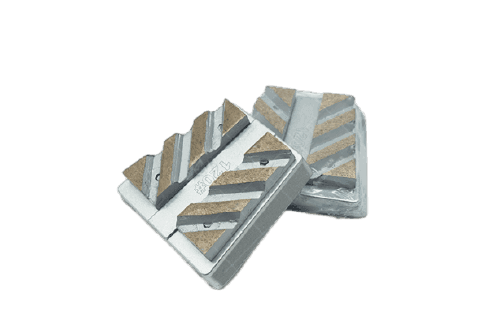
The frankfurt-format counterpart of this metal program for frankfurt-head machines.
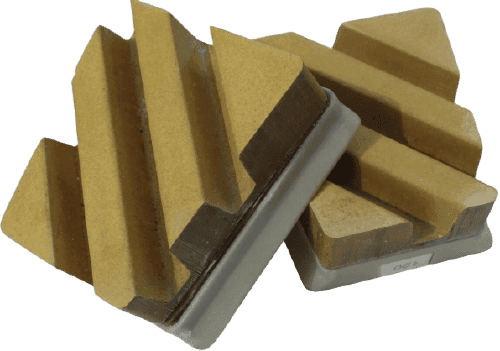
The resin finishing program in fickert format for the same line heads.
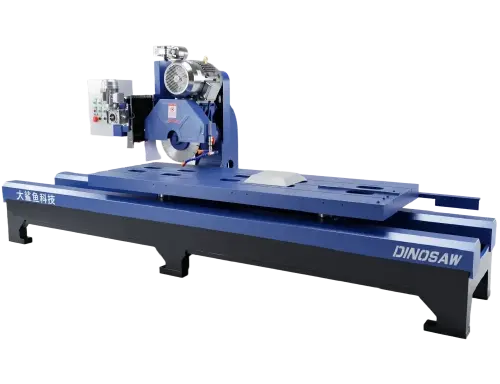
The magnesite line program for cost-driven volume production.
 English

Get A Easy Solution
Chat Online
Hi, this is Lizzy from Dinosaw ( Not a Robot ). Which Machine ( model ) do you want? Please WhatsApp us now
Hello 👋 How can we help?



 中文
 Italian
 Türkçe
 Português
 Español
 Deutsch
 العربية
 Tiếng Việt
 Français
 Русский
 한국어
