


Bridge Deck Section Removal
Cut bridge decks into liftable segments where saw blades cannot reach the full deck depth. The wire threads through drilled holes and cuts remotely while traffic management keeps the work zone closed and controlled.


Open Hours:8:30am-20:30pm

WhatsApp: +86 198-5901-3937
Applicable Materials
Reinforced concrete, rebar-reinforced walls and slabs, bridge decks, concrete piers, industrial foundations, concrete structures
Certifications & Credentials
CE Certified · ISO 9001:2015 · Industry Standard Drafting Participant · 120+ Countries & Regions Served
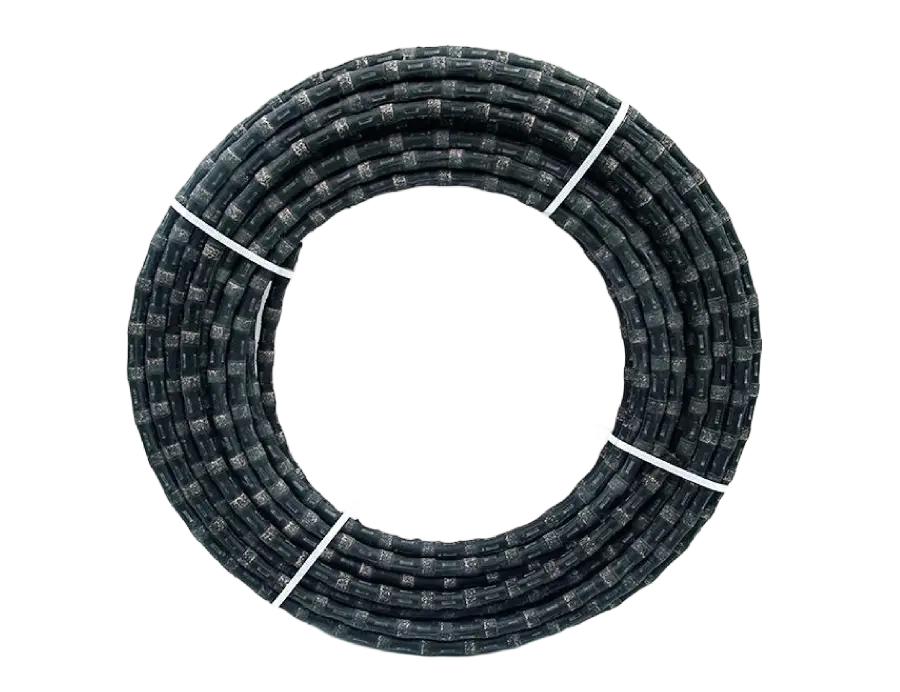
This wire program appears wherever a demolition or construction project must separate thick reinforced concrete that a wall saw blade or disc saw cannot reach in depth or access.
Cut bridge decks into liftable segments where saw blades cannot reach the full deck depth. The wire threads through drilled holes and cuts remotely while traffic management keeps the work zone closed and controlled.
Separate piers and columns into sections for crane removal on bridge demolition and industrial decommissioning projects. Deep sections and heavy rebar are handled with per-material feed discipline rather than forcing the feed.
Cut openings and remove sections in operating plants where low vibration, low noise and low dust are contract requirements. Remote-controlled cutting keeps operators away from live process areas.
Thread the wire through cored holes to cut sections with no blade-accessible face — box girders, shafts and internal walls. This is the access case where wire replaces the diamond saw blade entirely.
Make controlled separation cuts in building modification and partial demolition where adjacent structures must stay undisturbed. The narrow kerf and coated wire keep the cut path straight on long vertical runs.
DINOSAW reinforced concrete cutting wire is a demolition consumable, not a quarry tool: two coated constructions cover 10.5-12 mm and 6.3-9.0 mm diameter programs so contractors can match wire to machine, structure thickness and rebar content on bridge decks, piers and industrial structures.
Three diameters with rubber fixing and a 6 mm bead width let contractors select wire for heavy demolition rigs and long, hot cutting runs on thick reinforced sections.
Four diameters with plastic fixing cover lighter wire saw machines and smaller kerf requirements where access or rig capacity limits wire size.
40 beads per meter on the rubber-coated program and 37 on the plastic-coated program set how much diamond works against the cut per meter of wire travel.
A 6 mm bead width on the rubber-coated line and a 7 / 7 / 6 / 6 mm sequence on the plastic-coated line balance kerf width, bead strength and cutting speed.
Applicable materials: Reinforced concrete, rebar-reinforced walls and slabs, bridge decks, concrete piers, industrial foundations and similar concrete structures in demolition and construction cutting.
Typical products: Separated bridge deck sections, dismantled piers and columns, opening cuts in industrial structures, and controlled section removal in building modification projects.
Actual cutting rate and wire life vary with concrete strength, rebar density and diameter, aggregate hardness, wire speed, feed pressure, water cooling and rig alignment.
Choose the construction first, then the diameter. The rubber-coated program (10.5 / 11.5 / 12 mm, rubber fixing, 6 mm bead width, 40 beads per meter) targets harsh, high-temperature demolition runs on heavy rigs. The plastic-coated program (6.3 / 7.2 / 8.5 / 9.0 mm, plastic fixing, 7 / 7 / 6 / 6 mm bead width, 37 beads per meter) covers lighter machines and smaller kerf requirements. Confirm the wire diameter against your saw machine's drive wheels before ordering.
| Specification | Rubber-Coated Construction | Plastic-Coated Construction |
| Wire diameter (mm) | 10.5 / 11.5 / 12 | 6.3 / 7.2 / 8.5 / 9.0 |
| Fixing | Rubber fixing | Plastic fixing |
| Bead width (mm) | 6 | 7 / 7 / 6 / 6 |
| Beads per meter | 40 | 37 |
Four engineering decisions behind the DINOSAW reinforced concrete cutting wire program. The construction details below explain what each program is built to survive on a demolition site.
1 · Assess the structure: review drawings, confirm wall or deck thickness, rebar layout and the cut list, then mark the wire paths. 2 · Rig & thread: set the wire saw machine, drill entry holes where access requires, and thread the selected wire. 3 · Set parameters & cut: set wire speed and feed per the material in the section, run remotely, and ease the feed through rebar. 4 · Inspect & remove: verify the cut face, release the section for lifting, and re-thread for the next cut with recorded parameters.
The rubber-coated program uses rubber fixing between beads, specified for high-temperature resistance in harsh conditions. Long, hot runs through dense rebar heat the wire, and the rubber fixing holds bead position and coating integrity where plastic would soften early.
The plastic-coated program uses plastic fixing across four diameters from 6.3 to 9.0 mm. It suits wire saw machines with smaller drive wheels and lower pulling capacity, giving demolition contractors a correct-size option instead of over-rigging light jobs.
The coated wire cuts with low vibration, low noise and low dust compared with percussive demolition. This matters on operating plants, urban bridge projects and occupied buildings where dust control and vibration limits are written into the contract.
Wire cutting is driven by a machine that can be operated remotely, so the operator stands clear of the structure while the cut proceeds. On unstable bridges, damaged industrial structures and tall piers, distance between the operator and the work is a safety feature, not a convenience.
Reinforced concrete is cut per material: the wire runs at concrete parameters, slows through rebar, and resumes concrete feed after. This discipline — parameter sets per structure section rather than one setting per project — is what keeps wire life predictable.
The coated construction stabilizes the beads in the kerf and keeps the cut path straight on long, deep runs. A controlled kerf reduces secondary breaking work on sections that must be lifted out intact, which is exactly how bridge deck segments are removed.
Choose by depth and access: the wall saw blade wins on open faces within blade reach, the wire takes the deep and enclosed sections.
DINOSAW is a manufacturer of CNC stone processing machinery, specializing in diamond wire saw machines and CNC stone cutting equipment. With more than 20 years of R&D and manufacturing experience, DINOSAW contributes to industry standards including T/CMES 41001-2025 for CNC wire saw machines, holds 100+ technical patents, and supplies equipment and technical support to customers in 120+ countries and regions. Its manufacturing and management systems are certified to ISO 9001, ISO 14001 and ISO 45001, with CE-compliant machinery for international markets.
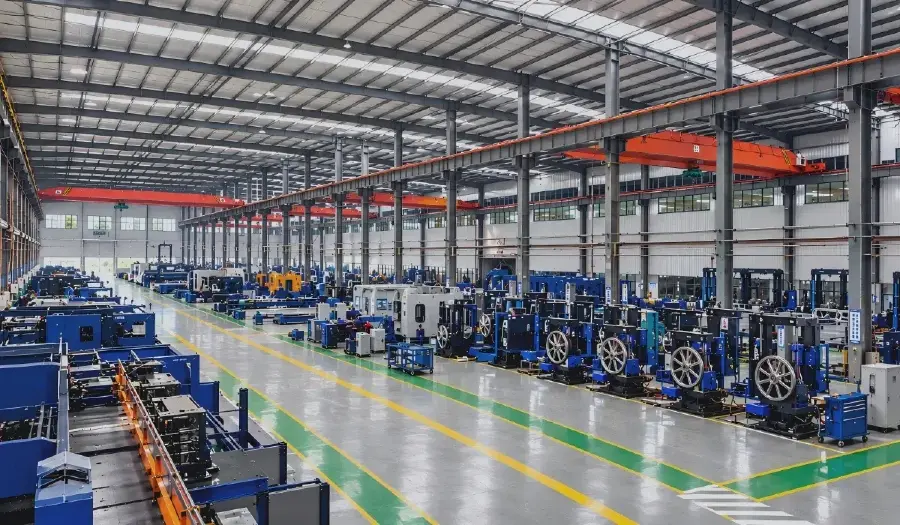
DINOSAW provides installation guidance, operator training, remote diagnosis and spare-parts coordination for every machine.
Confirm the wire program against the drive machine, drive wheels and job conditions before ordering; configured per destination project.
Electrical requirements follow the wire saw machine driving the wire; voltage and frequency are confirmed before shipment.
Provide stable water delivery at the cut for bead cooling and slurry control on long demolition runs.
Answers to the main buying questions around construction choice, rebar cutting discipline, machine matching and quotation preparation.
Choose by the structure you cut and the machine the wire runs on. The rubber-coated construction comes in 10.5, 11.5 and 12 mm diameters with a 6 mm bead width and 40 beads per meter; the rubber fixing holds the beads firmly under demanding, high-temperature cutting conditions where heat builds up around the wire. The plastic-coated construction comes in 6.3, 7.2, 8.5 and 9.0 mm diameters with a 7 / 7 / 6 / 6 mm bead-width sequence and 37 beads per meter, suited to lighter rigs and smaller kerf requirements. The two programs are not interchangeable by habit: match the diameter to your saw machine's drive wheels, the bead fixing to the temperature and abrasion of the job, and the bead spacing to the concrete you cut. For demolition contractors running one machine fleet, the deciding questions are the machine's rated wire diameter, the typical wall thickness, rebar density, and whether the job runs long shifts that heat the wire. Send these details and DINOSAW recommends the construction and diameter rather than leaving the choice to catalog defaults that may fit the machine but underperform on the site.
Do not buy this wire for stone quarrying, and do not expect it to behave like a quarry wire. DINOSAW's stone quarry wire programs are engineered for granite, marble and similar dimension stone; this wire is engineered for reinforced concrete demolition and construction cutting — bridge decks, piers, industrial structures and building modification. Within concrete work, choose a wall saw blade instead when the cut is an open, vertical face within blade reach: a track-mounted wall saw is faster to set up and usually cheaper per meter on straightforward walls. Choose this wire when the section is deeper than blade geometry allows, when access only exists through drilled holes, or when the structure must be cut from a safe distance. Also reconsider the wire if the job is mostly shallow, lightly reinforced cuts — a blade or disc saw often costs less per cut there. The honest boundary is workload: this wire earns its place on deep, reinforced, access-limited sections, not on every cut on the demolition plan. Send the full cut list and DINOSAW flags which sections belong to a blade and which belong to the wire.
Reinforced concrete is a mixed-material cut, and the wire must be run with that in mind. Plain concrete cuts at one feed rate; every time the wire meets rebar, the effective workload changes and the correct response is to ease the feed, let the beads grind through the steel slowly, then resume the concrete feed — not to push harder. Pushing through steel raises wire temperature, loads the rubber or plastic fixing unevenly and shortens bead life, and it is the most common cause of premature wire failure on demolition jobs. The rubber-coated program tolerates the heat of long, hot runs better, which is why it is specified for harsh conditions, but no construction makes steel cutting free. Set wire speed and feed pressure per the material in the cut — concrete class, rebar percentage, aggregate hardness — and review the run after the first meters. DINOSAW recommends a parameter set per structure section rather than one setting for the whole project, and operators who follow that discipline report predictable wire life instead of surprises in the middle of a bridge deck.
Send six items for a useful quotation. First, the target wire program: rubber-coated (10.5 / 11.5 / 12 mm diameters, 6 mm bead width, 40 beads per meter) or plastic-coated (6.3 / 7.2 / 8.5 / 9.0 mm, bead width 7 / 7 / 6 / 6, 37 beads per meter) — or ask DINOSAW to recommend based on the job. Second, the wire saw machine you run: brand, drive-wheel diameter and any diameter limitation, because the wire must match the machine. Third, the structures to cut: wall or deck thickness, approximate cutting length per job, and rebar density if known. Fourth, working conditions: shift length, ambient temperature, and whether water cooling is available at the cut. Fifth, the destination country, for logistics and compliance documentation. Sixth, expected monthly consumption so supply can be planned instead of ordered job by job. With these, DINOSAW confirms the construction, proposes cutting parameters for the concrete and rebar sections, and quotes with a realistic lead time rather than a catalog default that ignores the machine and the workload.
Wire life in reinforced concrete is a range, not a fixed number, and the honest answer depends on what is inside the concrete. Beads on the rubber-coated program run at 40 per meter with a 6 mm bead width; the plastic-coated program runs 37 beads per meter with a 7 / 7 / 6 / 6 mm sequence. Those densities and widths decide how much diamond works against the cut per meter of wire travel. Expect the shortest life on dense rebar — steel grinds slowly and heats the wire — and the longest on plain concrete with soft aggregate. Feed discipline matters as much as the wire itself: easing through rebar and resuming the concrete feed extends life noticeably, while constant overload burns beads early. Water cooling and correct wire tension also matter on long runs. DINOSAW does not promise a fixed cutting area per wire, because two jobs on the same structure type can differ by rebar layout alone. What the team provides instead is a realistic expectation range per structure, plus a cutting parameter sheet so the first wire on site sets the reference for the rest of the project.
Contact Dinosaw
Discuss Reinforced Concrete Cutting Wire Pricing, Configuration & ApplicationAre you looking for the perfect cutting machines or processing solutions for hard and brittle materials?
Facing challenges in stone quarrying, countertop cutting, concrete and underwater pipeline cutting, stainless steel rust removal and grinding, luxury thin slab cutting, agate and gemstone cutting, graphite cutting, or even building demolition?
Leave your inquiry, and you can expect a reply within 12 hours with tailored solutions!





What materials will you be working with? *
Your Name / Company Name? *
Phone Number / Email Address? *
What specific requirements do you have?
Selection guides and related equipment for diamond wire cutting of reinforced concrete in demolition and construction projects.

The wire system family - diameter, construction and joint configured per machine and structure.

Segmented discs for the shallow cuts and openings that complement wire demolition work.
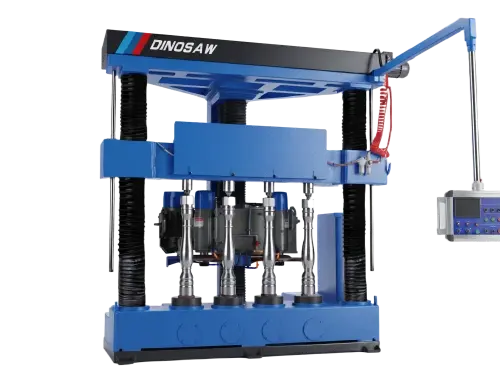
Core bits drill the access holes wire passes need through thick sections.
 English

Get A Easy Solution
Chat Online
Hi, this is Lizzy from Dinosaw ( Not a Robot ). Which Machine ( model ) do you want? Please WhatsApp us now
Hello 👋 How can we help?



 中文
 Italian
 Türkçe
 Português
 Español
 Deutsch
 العربية
 Tiếng Việt
 Français
 Русский
 한국어
