Diamond Abrasive Antique Brush for Stone

24#/36#/46#/60#/80#/120#/180#/240#/320#/500#/800#/1000#
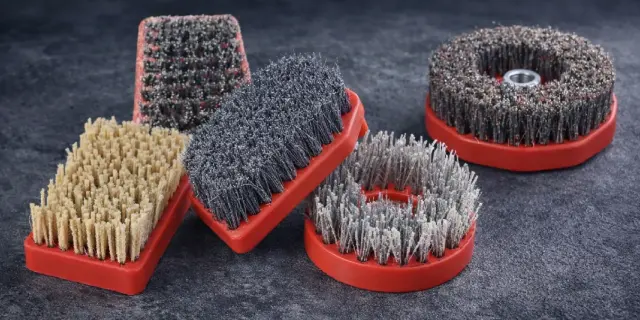
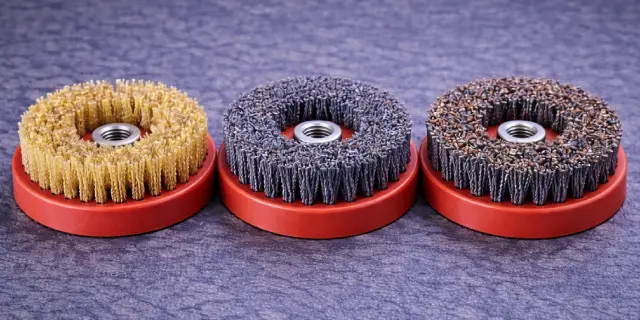
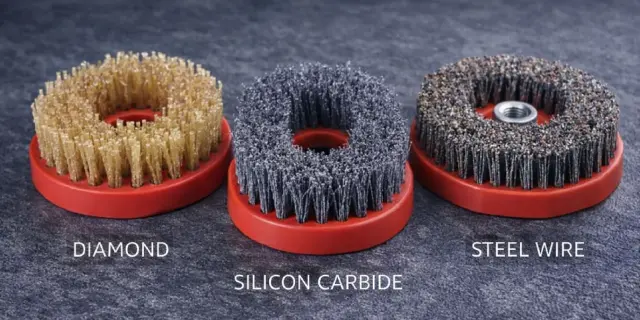
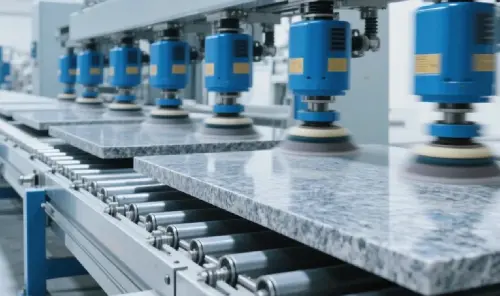
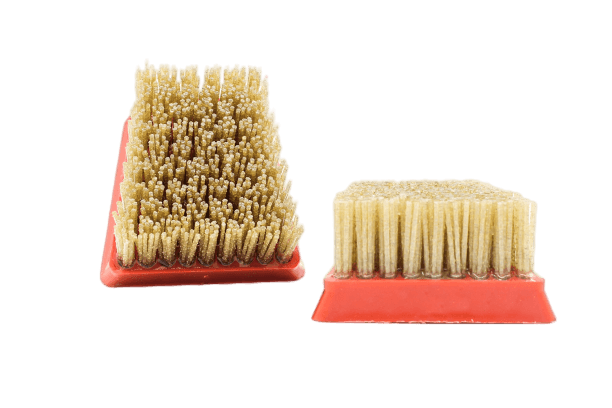
DINOSAW Diamond Abrasive Antique Brushes use diamond-impregnated filaments to texture stone surfaces on polishing lines or handheld grinders. They handle granite, marble, limestone, quartz, and engineered stone for antique and leather finishes while reducing grinding marks. Stable bristle density and grits from 24–1000# deliver controlled cutting and uniform texture. Choose Fickert, Frankfurt, or round styles with snail-lock/M14 options to match your machine and lower finishing cost per slab.
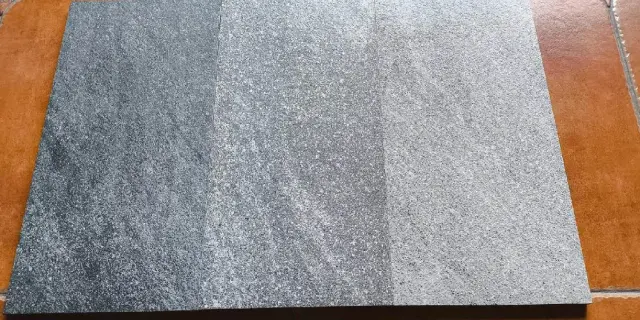
Antique / Leather / SatinMechanical texturing for decorative and non-slip stone surfaces
24#–1000#Twelve grit steps from deep texture to refined satin finish
3 FormatsFickert / Frankfurt / Round for lines, heads and hand tools

Applicable Materials

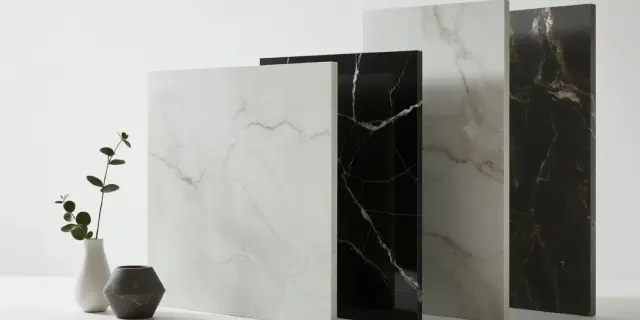
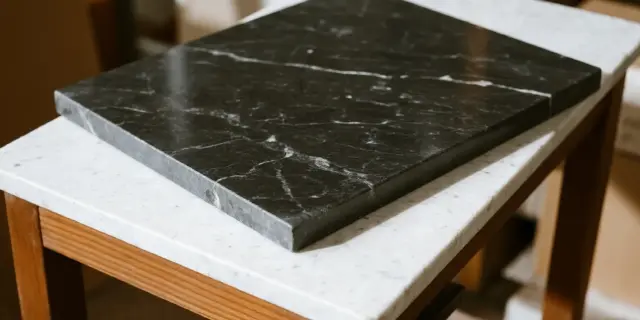
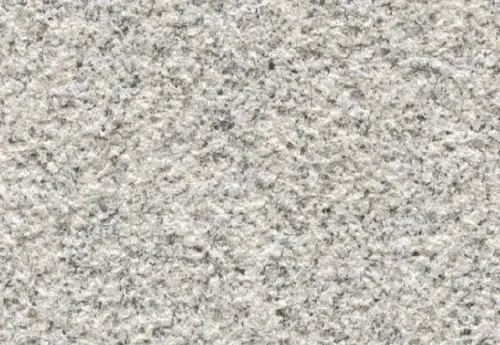
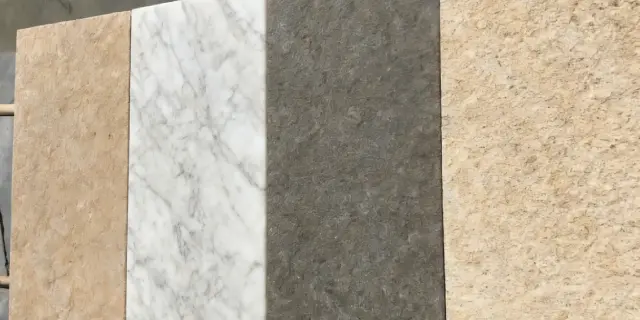
Granite, marble, limestone, quartzite and engineered stone

Certifications & Credentials

CE Certified · ISO 9001:2015 · Industry Standard Drafting Participant · 120+ Countries & Regions Served

Compatible Materials & Products

Diamond brushes for antique & leather stone finishes

Real Texturing Performance & Key Metrics

DINOSAW diamond antique brushes are a mechanical stone-texturing system: abrasive filaments build antique, leather and satin finishes through a controlled grit progression — a different process from polishing, with texture depth and character as the specification.

24#–1000#

12-Step Grit Range

Twelve grits from 24# to 1000# build the full texture ladder: coarse steps establish relief, middle steps even it, fine grits soften the surface into leather and satin.

3 Formats

Machine Coverage

Fickert brushes fit automatic polishing line heads, Frankfurt brushes fit line heads and compatible machines, round brushes with snail holders or M14 fit hand tools — one system across the shop.

Diamond / SiC

Filament Options

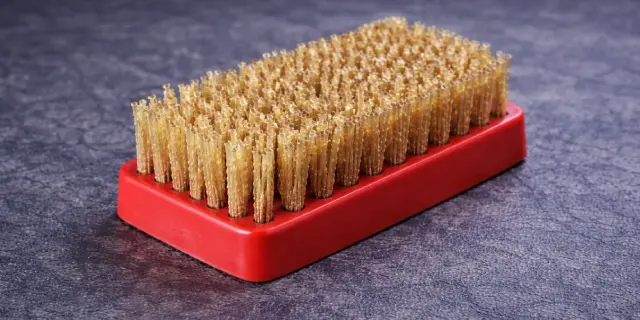
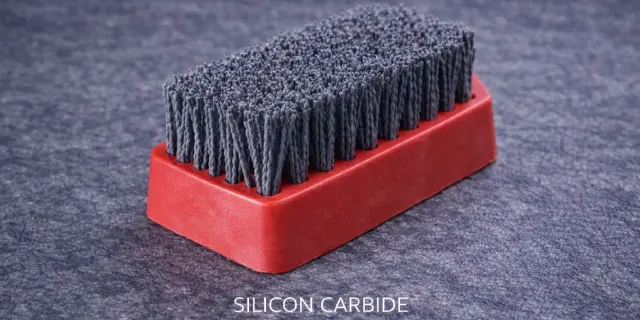
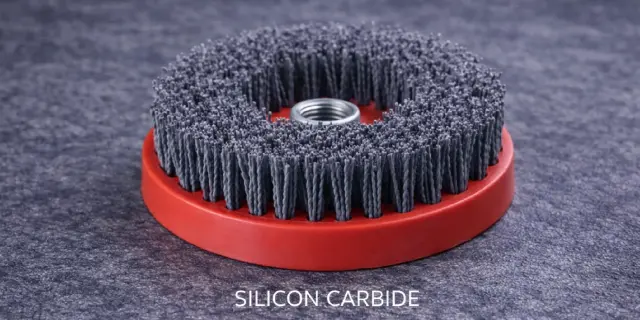
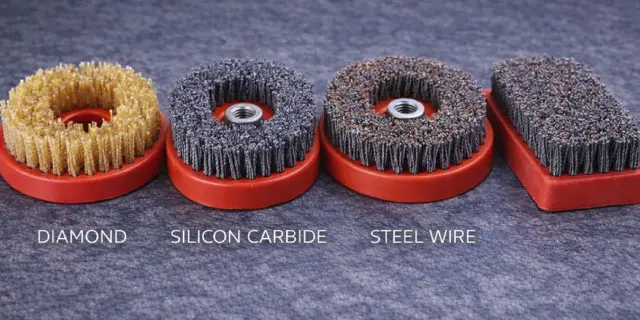
Both diamond-impregnated and silicon carbide filaments are available: selection depends on material, finish target and cost-life requirements — DINOSAW recommends per material confirmation.

5 Materials

Stone Range

Granite, marble, limestone, quartzite and engineered stone texture with per-material grit programs — one inventory across the finishing department.

Applicable materials: Granite, marble, limestone, quartzite and engineered stone.

Typical applications: Antique finishes with pronounced relief, softer leather-finish tactile surfaces, fine satin textures, decorative architectural panels, and texture restoration on worn steps and paving.

Final texture depends on the stone's mineral structure, starting surface, grit sequence, pressure and pass count — the natural variation is part of the finish.

Specs and options

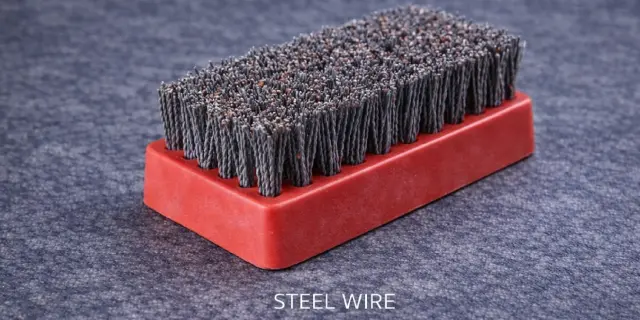
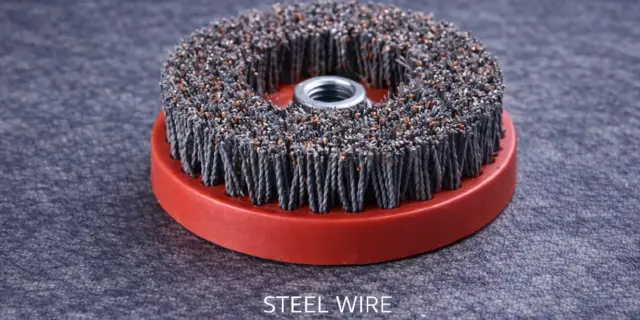
Antique brushes are offered in Fickert (line), Frankfurt (line head and compatible machines) and round formats (snail holder, M14), in diamond and silicon carbide filaments, across grits 24#, 36#, 46#, 60#, 80#, 120#, 180#, 240#, 320#, 500#, 800# and 1000#.

TypeMaterialGritJoint
FickertSilicon carbide / Diamond / Steel24# / 36# / 46# / 60# / 80# / 120# / 180# / 240# / 320# / 500# / 800# / 1000# 
Frankfurt 
RoundSnail holder / M14 etc.

Core Technology & Brush Structure

Four engineering decisions behind the antique brush system. The numbered points on the brush diagram correspond to the systems below.

Dinosaw machine Diamond Abrasive Antique Brush for Stone

Antique Brushing Workflow

A texturing run follows four steps: set pressure and speed for the stone class, run the coarse grit to establish texture depth, progress through mid and fine grits to the target finish — antique for pronounced relief, leather for a softer tactile surface, satin for fine low-relief texture — then inspect under raking light for uniformity.

01

Abrasive-Impregnated Filaments

Abrasive runs through the filament's working length: as the filament wears, fresh cutting points reach the surface — texture consistency holds through the brush life instead of fading as a surface coating would.

02

Texture Grit Ladder

The grit ladder builds texture, not gloss: coarse brushes open the relief and expose the grain, middle steps even the texture across the surface, and fine grits soften the peaks into leather or satin — each finish name maps to a different point on the ladder.

03

Fickert Line Format

Fickert-format brushes bolt onto automatic polishing line heads: textured finishes run inline after the polish sequence, so panels leave the line finished instead of returning to a separate texturing station — the format matches continuous polishing lines.

04

Frankfurt & Round Formats

Frankfurt-format brushes serve line heads and compatible machines; round brushes with snail holders or M14 threads serve detail and repair work — the same grit ladder scales from production line to hand tool.

05

Mechanical vs. Chemical Texturing

Mechanical brushing avoids acid handling and gives direct control over grit, pressure and pass count: the operator programs the texture rather than the stone chemistry deciding it. Final character still varies with mineral structure — that natural variation is part of what the finish sells.

06

Texture Restoration

Coarse brushing restores surface texture on worn stone steps and paving: the renewed relief improves tactile grip and refreshes the appearance without replacing the slab — a refinishing service for maintenance contractors and facility owners.

Polishing Pads vs. Antique Brushes

A process comparison for surface finishing buyers.

Polishing Pads vs. Antique Brushes
Antique BrushesVSPolishing Pads
Textured surfaceGoal✓ Smooth / glossy surface
Creates reliefSurface change✓ Refines scratches
Antique / leather / brushed satinFinal look✓ Polished / mirror / satin polish
Abrasive filamentsWorking element✓ Flexible bonded pad
Architectural texture, decorative panelsBest for✓ Countertops & polished stone

Note: configurations vary by brand and model; actual performance depends on the specific machine, material and working conditions.

The Manufacturer Behind the Brush Range

DINOSAW is a manufacturer of CNC stone processing machinery, specializing in diamond wire saw machines and CNC stone cutting equipment. With more than 20 years of R&D and manufacturing experience, DINOSAW contributes to industry standards including T/CMES 41001-2025 for CNC wire saw machines, holds 100+ technical patents, and supplies equipment and technical support to customers in 120+ countries and regions. Its manufacturing and management systems are certified to ISO 9001, ISO 14001 and ISO 45001, with CE-compliant machinery for international markets.

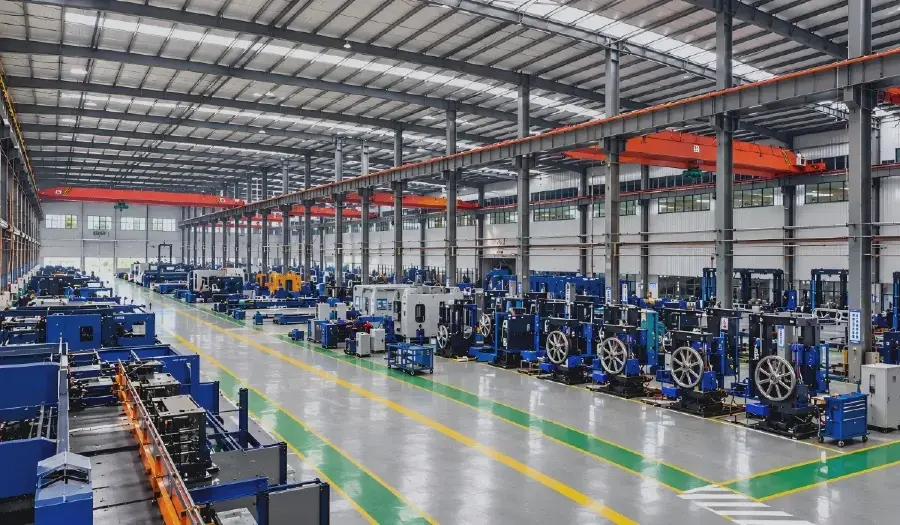
DINOSAW CNC stone machinery manufacturing workshop
DINOSAW R&D & ManufacturingMechanical Design · CNC Control Development · Assembly · Testing · Commissioning · Global Delivery
Industry Standard Drafting

DINOSAW contributes to industry standards for stone machinery, including T/CMES 41001-2025 for CNC wire saw machines, as well as standards covering multi-wire saws, combined wire saw machines and five-axis bridge cutting equipment. This work reflects the company’s long-term involvement in machine design, manufacturing, testing and quality control.

20+Years of Stone Machinery R&D & Manufacturing Experience
100+Technical Patents — Covering machine structures, CNC control, cutting systems and stone processing technologies
120+Countries & Regions Served — Equipment, installation and technical support worldwide

CE Compliance & ISO Management Systems

CE: Stone cutting machinery assessed against Machinery Directive 2006/42/EC and relevant EN standards.
ISO: Management systems certified to ISO 9001, ISO 14001 and ISO 45001.

Ordering Requirements & After-Sales Support

DINOSAW provides grit sequence planning per material and batch supply for finishing lines.

Machine FitFickert / Frankfurt / round

Confirm holder format per line head or tool.

Water SupplyWet operation on lines

Brushing runs with line water supply.

Sequence PlanPer-material grit chart

DINOSAW supplies the texture ladder for your stone class.

01 · Pre-Shipment & DeliveryMachine configuration, packaging and transport requirements confirmed before dispatch, with factory inspection and documents verified.
02 · Installation & CommissioningOn-site utilities and foundation check, machine positioning, commissioning and acceptance.
03 · Operator TrainingHands-on training covering routine CNC operation and daily checks of blades, spindles, cooling and lubrication.
04 · After-Sales SupportRemote technical assistance, maintenance support and spare parts coordination throughout the machine's service life.

Diamond Antique Brush Selection & Use FAQ

Common Questions About Diamond Abrasive Antique Brush for Stone

There is no universal leather sequence — the right ladder depends on the stone, the starting surface and how soft a leather feel the specification calls for. The logic: open the texture with a coarse grit matched to the stone (granite-class stone starts coarser than marble-class), even the relief through the middle grits, and soften the peaks with fine grits until the tactile target is met. On harder stone the coarse opening matters most — skipping it leaves the leather too shallow and the surface reads polished-flat; on softer stone, start gentler to avoid digging unevenly. Always confirm the final two steps on a sample panel: leather is judged by hand and eye, and the last grit choice is a finish decision, not a material one. Send the stone class and starting finish, and DINOSAW returns a recommended ladder with the sample-panel verification step built in.

Yes — the Fickert format exists exactly for that. Fickert antique brushes bolt onto the heads of automatic polishing lines, so texturing runs inline after the polish sequence: a slab leaves the line with the antique or leather finish complete, instead of moving to a separate texturing station. The integration points are head compatibility (Fickert dimensions and mounting), line pressure and speed settings per stone class, and water supply as the line already provides. Factories running continuous polishing lines add a texturing program by changing brushes and recalling the parameter set — the line's automation serves the texture program the same way it serves polish. For lines without Fickert heads, the Frankfurt format covers compatible line heads, and round brushes cover offline detail work.

Both filaments texture stone mechanically; the difference is in abrasive hardness, wear behavior and cost-life balance. Diamond filaments cut harder and hold their working points longest — the choice for hard stone classes, production line duty and programs where brush change frequency costs line time. Silicon carbide filaments are the cost-efficient option for softer stones and shorter production runs, at higher consumption per square meter. The selection weighs three inputs: stone hardness (harder stone favors diamond), production volume (lines favor diamond's longer life), and cost structure (SiC wins where volume is low and material is soft). DINOSAW recommends per material confirmation rather than a fixed rule — the two filament types cover the range between them, and a trial on your stone class settles the economics quickly.

It can restore surface texture, with an honest scope: a coarse antique pass re-cuts mechanical relief into stone that foot traffic has polished smooth, renewing the tactile grip and refreshing the appearance — steps, paving and entries all respond well. What brushing does not do is re-certify slip resistance: certified slip values depend on standardized test methods, and a renewed texture should be verified against the applicable standard where compliance is required, rather than assumed from the brushing operation itself. The refinishing workflow is straightforward: clean the surface, brush at coarse grit per the stone class, verify texture depth and feel on a test patch, then refine to the target character. For contractors this is a recurring maintenance service; for facility owners it extends the stone's service life at a fraction of replacement cost.

Contact Dinosaw

Plan an Antique Brush Program

Are you looking for the perfect cutting machines or processing solutions for hard and brittle materials?

Facing challenges in stone quarrying, countertop cutting, concrete and underwater pipeline cutting, stainless steel rust removal and grinding, luxury thin slab cutting, agate and gemstone cutting, graphite cutting, or even building demolition?

Leave your inquiry, and you can expect a reply within 12 hours with tailored solutions!

Prefer email?

You can also reach us at

gma@dinosawmachine.com
Diamond Abrasive Antique Brush for Stone

What materials will you be working with? *

Your Name / Company Name? *

Phone Number / Email Address? *

+86

What specific requirements do you have?

Antique Brush Guides & Related Equipment

Selection guides and related equipment for stone texturing and finishing.

Get A Easy Solution

Chat Online
Ms.Lizzy

Hi, this is Lizzy from Dinosaw ( Not a Robot ).  Which Machine ( model ) do you want? Please WhatsApp us now

WhatsApp Chat Now
Contact Us

Hello 👋 How can we help?